
 1 month ago
8
1 month ago
8
ARTICLE AD BOX
The 2026 Winter Olympics are here! And for most people, that simply means watching a bunch of skillful people perform daring activities we could only dream of being able to do.

But arguably even more fun than that? Reading some mind-blowing stories, scandals, and facts from past Olympics. So I've compiled some that I bet you didn't know...and let's just say, each is even more shocking than the one before.
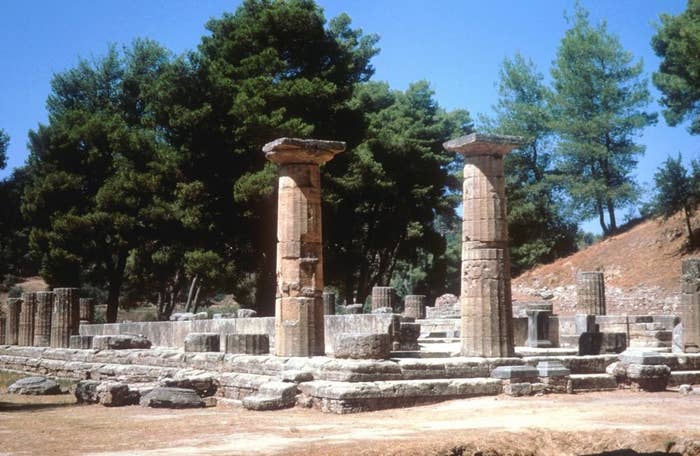
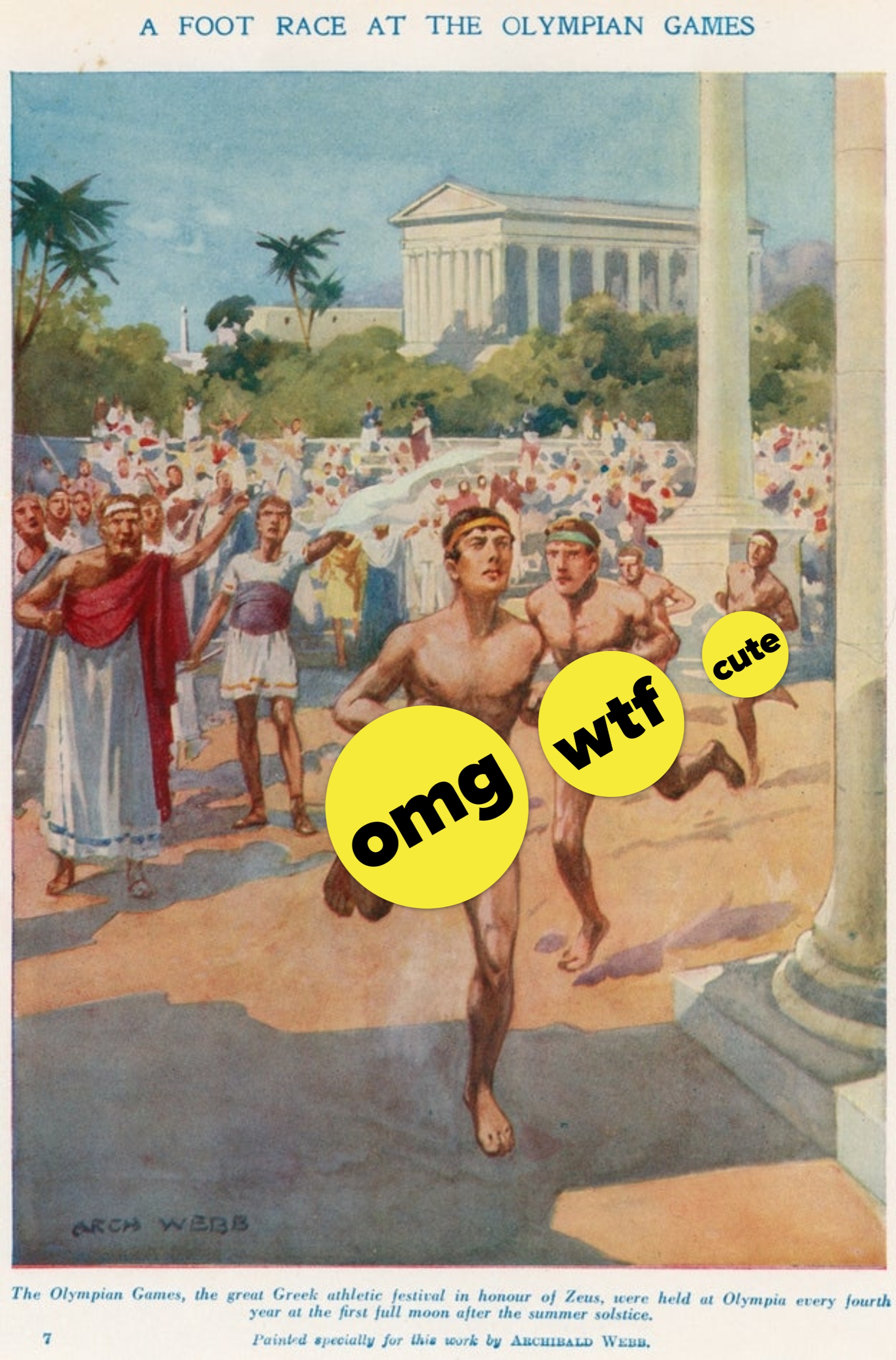
Of course, back then, only men were permitted to compete. (We are talking about ancient times here.) But here's the kicker: Back in the day, they actually competed NAKED. Yep, all the athletes, totally naked. It was seen as a "show of civility" amidst political conflicts at the time.
Print Collector / Getty Images
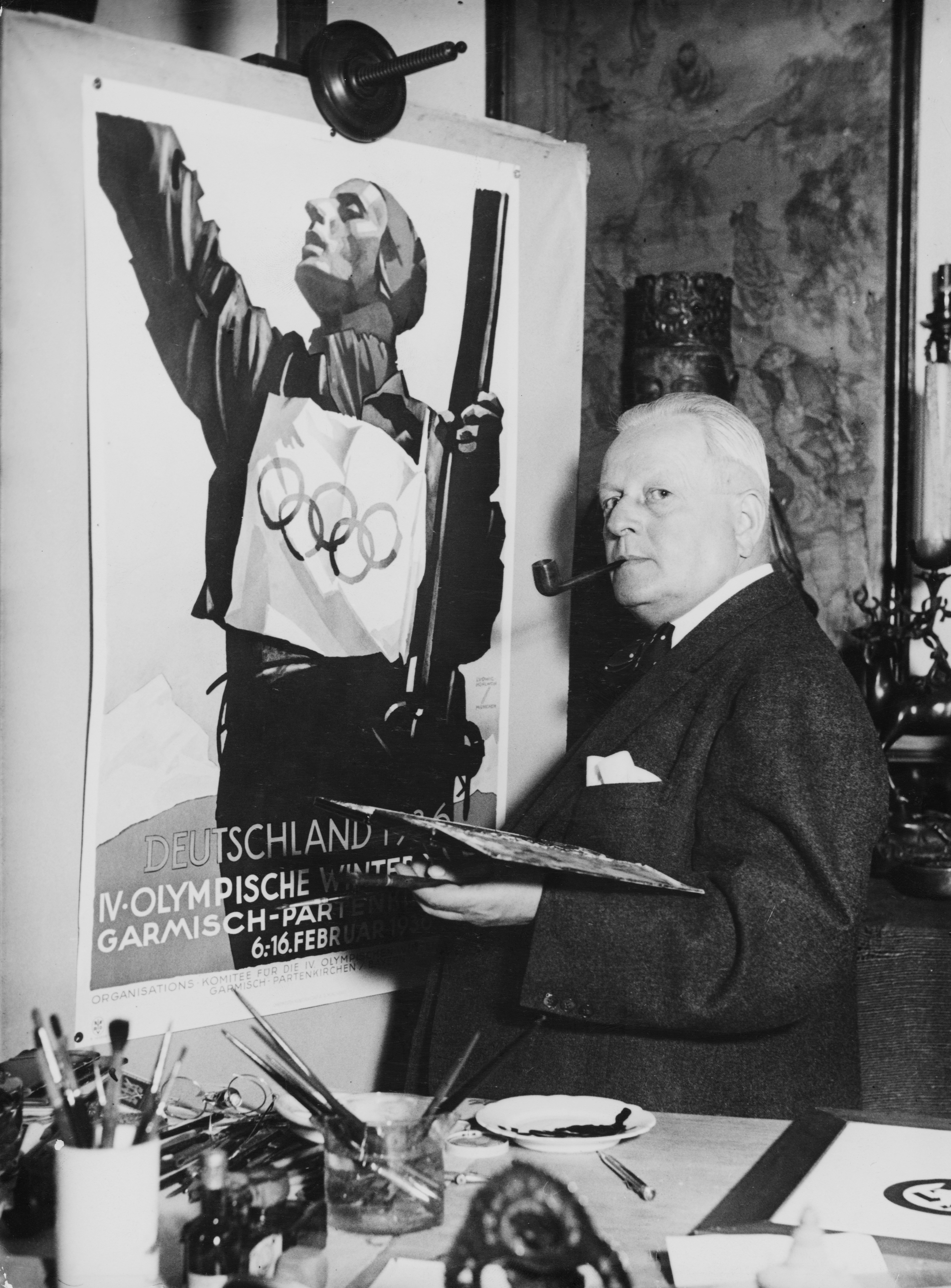
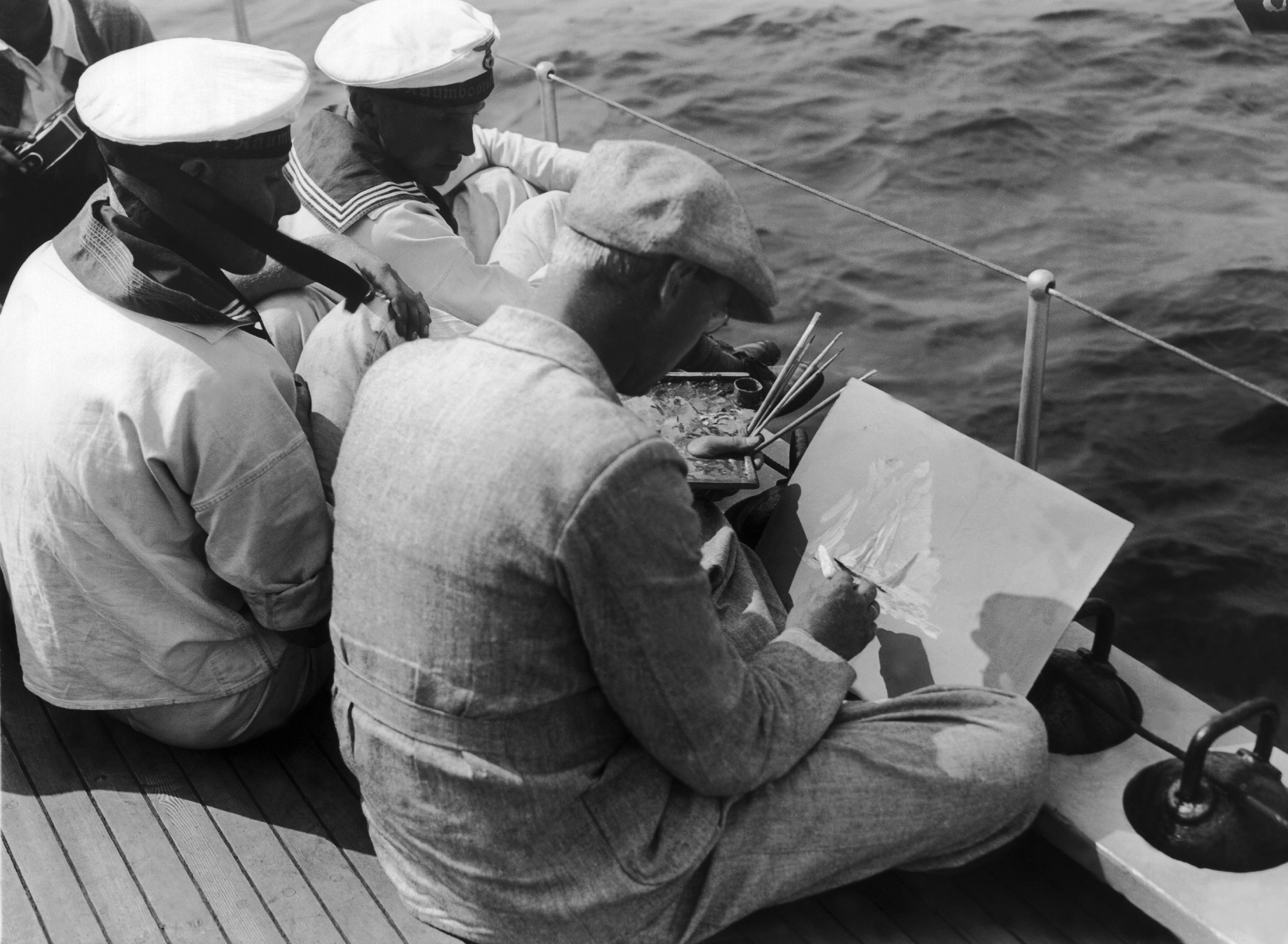
2. When you think of the Olympics, you probably picture buff athletes playing high-intensity sports, sweating and full of muscles. But what if I told you some former Olympic sports were a little more...artistic?
FPG / Getty Images
Yep, you heard me right: In 1915, art competitions became part of the Olympic Games. That included music, painting, writing, and sculpting. This lasted until the controversial decision to scrap the artistic component of the Olympics in 1948.
Keystone-France / Getty Images
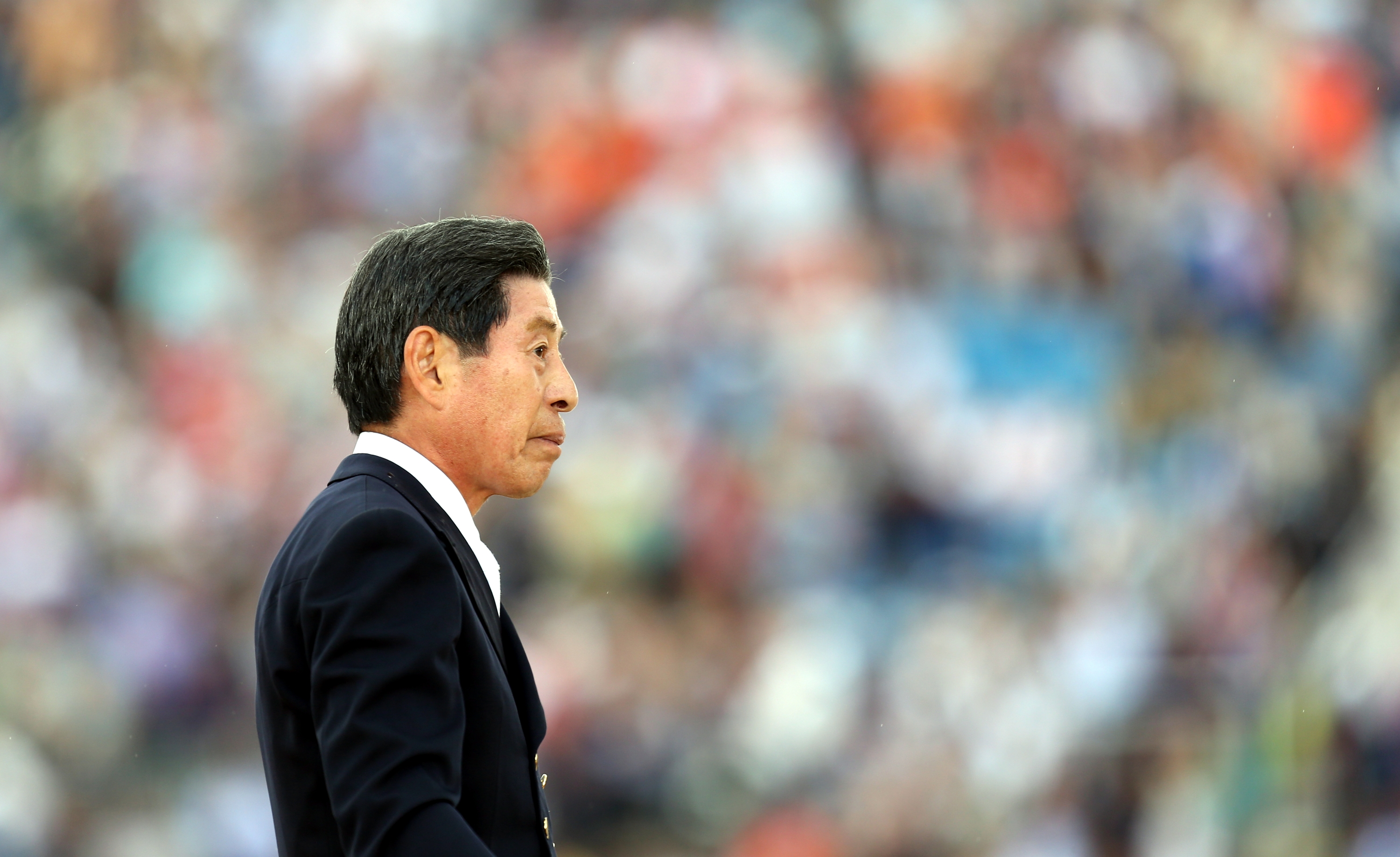
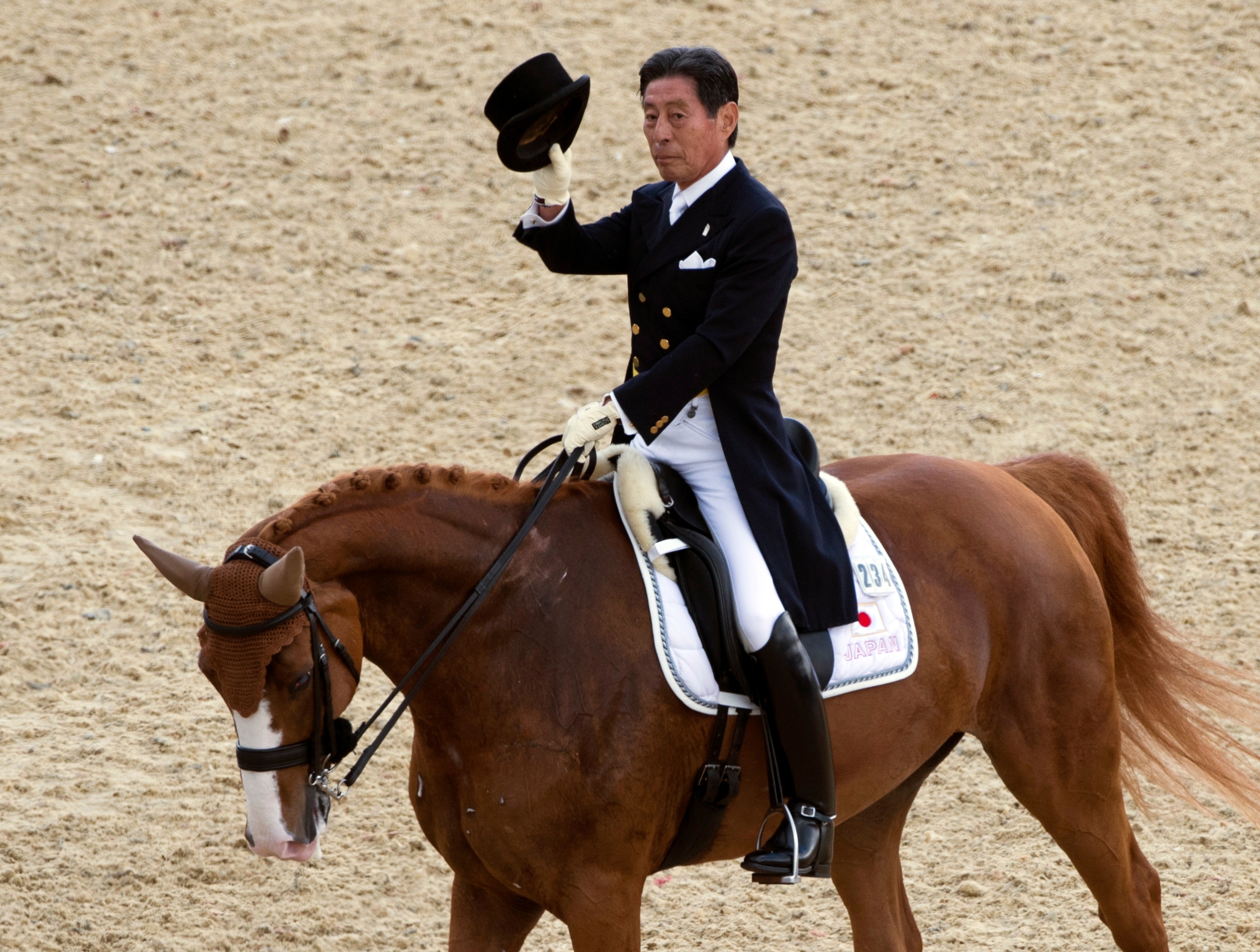
3. I know a lot of us look at the ages of some of the Olympic athletes and think, "Oh my God, I barely even knew how to tie my shoes at that age." But have you ever wondered who the oldest modern Olympian was? I'll tell you: his name is Hiroshi Hoketsu.
EMPICS Sport - EMPICS / PA Images / Getty Images
Hiroshi first competed in equestrian at the 1964 Tokyo Olympics, and he was 23 at the time. Flash forward a whopping 44 years, and he was back at the 2012 London Olympics at age 71. It's the longest break for any Olympic athlete ever, and he's also the third-oldest Olympian ever.
JOHN MACDOUGALL / AFP / Getty Images
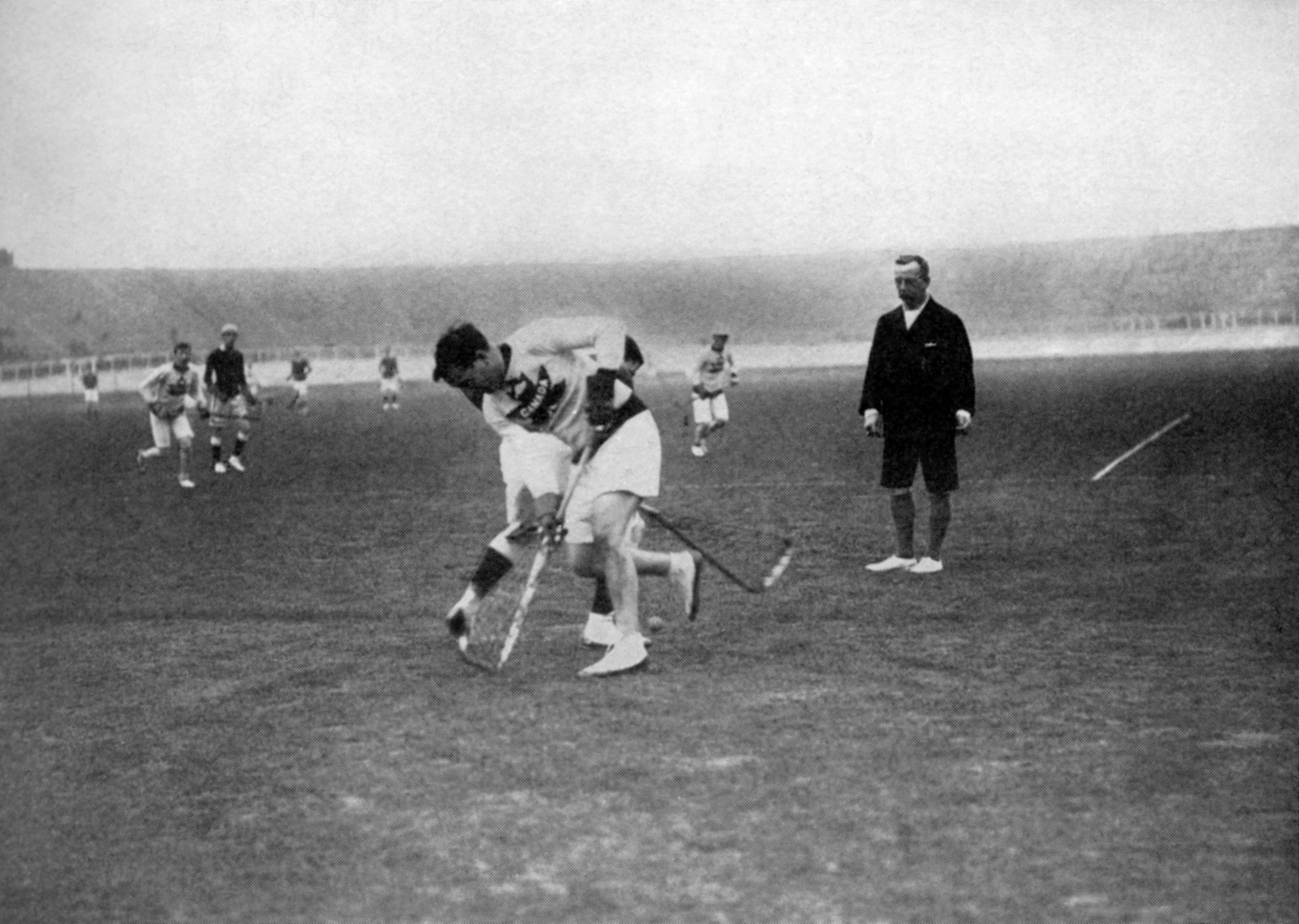
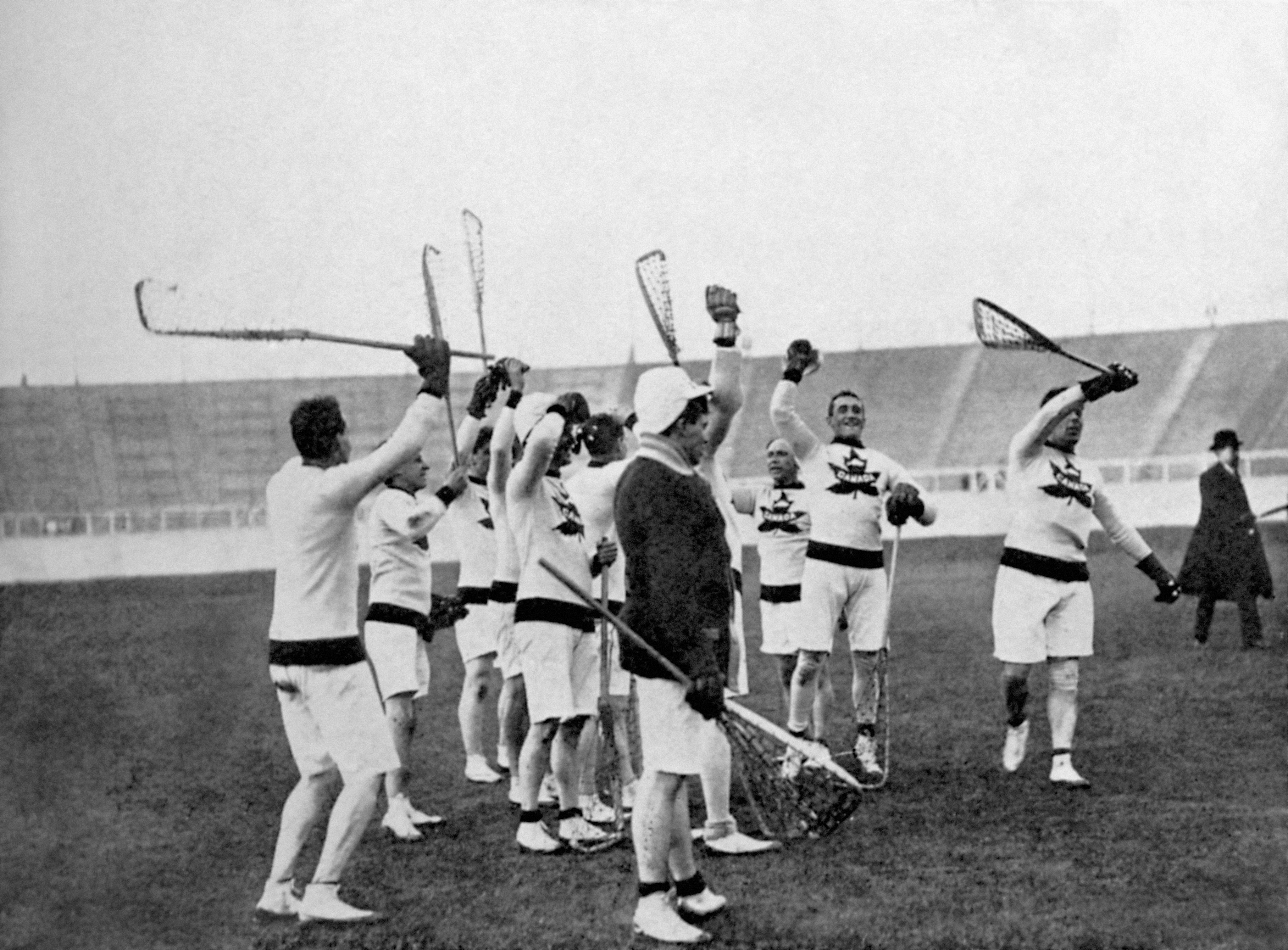
4. You'd think lacrosse would be a classic, popular winter Olympic sport, but you're sadly mistaken. Lacrosse has only been a medal sport at the Olympics twice, in 1904 and 1908.
PA Images Archive / Getty Images
And as a Canadian, I have to brag: Canada took home a gold medal both of those years. Good news for us, lacrosse has allegedly been optioned as a sport for the 2028 Olympics. So we might see it on our screens again!
PA Images Archive / Getty Images
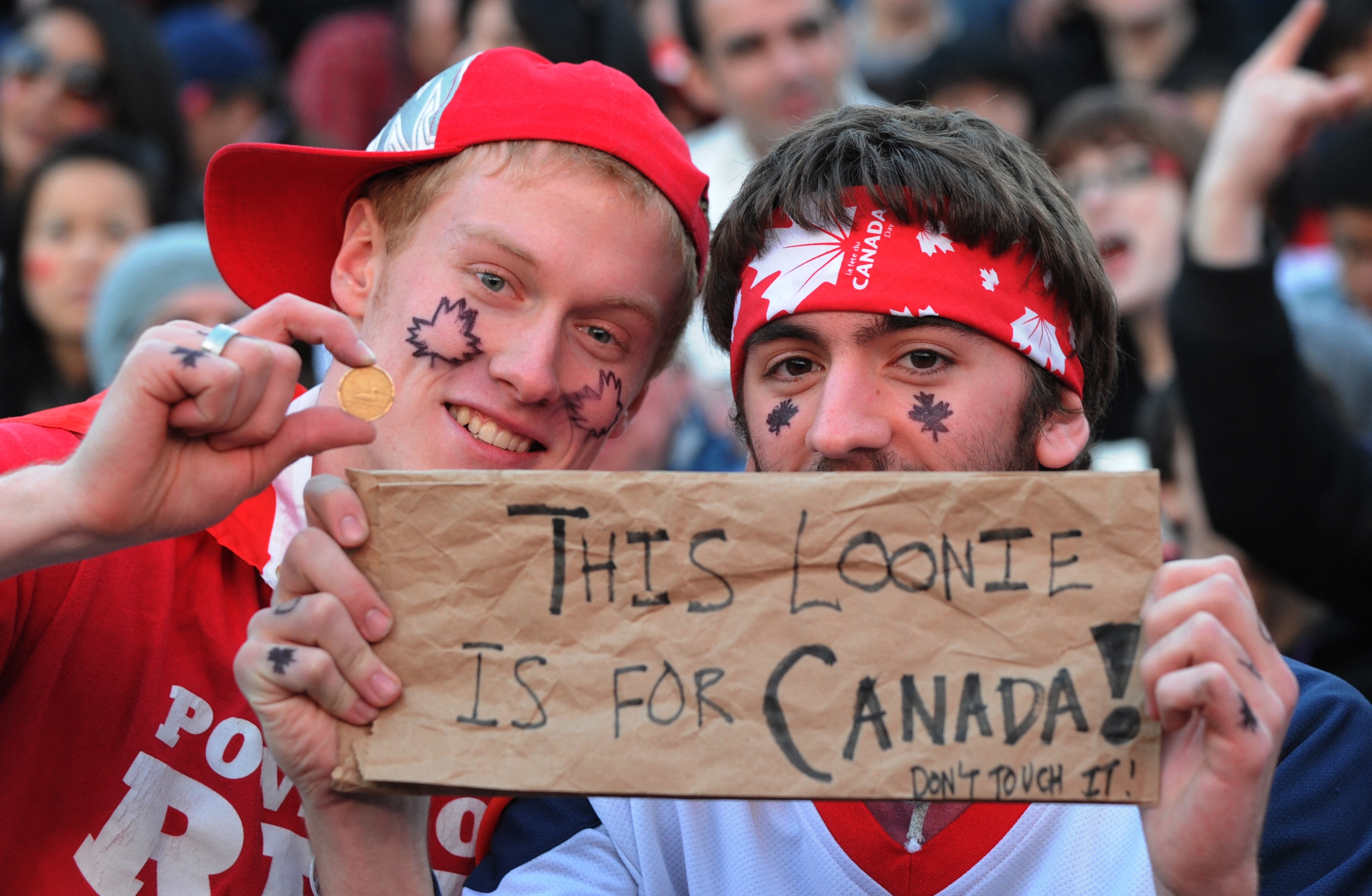
5. Also about the Canadian team, they've got an adorable, long-standing ritual I bet you didn't know about. And all began at the 2002 Salt Lake City Olympics with two key Canadian things: hockey and loonies (the $1 coin).

Eric Bouchard / Getty Images
Here's what happened: in 2002, before the Olympics began, a Canadian ice-maker secretly buried a loonie under the ice at the hockey rink for good luck. It's since been dubbed the "lucky loonie," and took off as a tradition. Since then, loonies have been secretly placed in all kinds of places at the Olympics: swimming pools, volleyball courts, golf greens, you name it.
MARK RALSTON / AFP / Getty Images
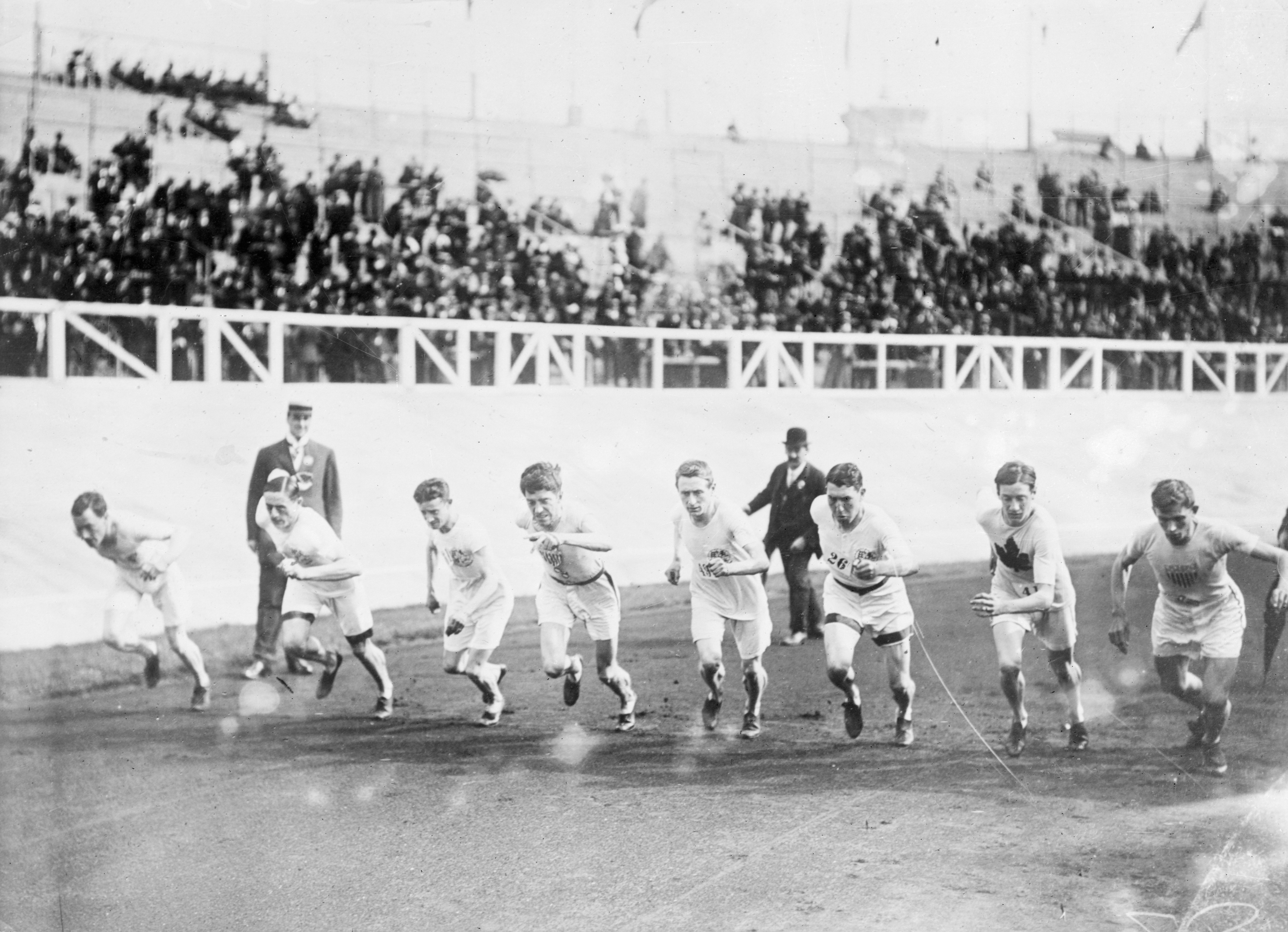
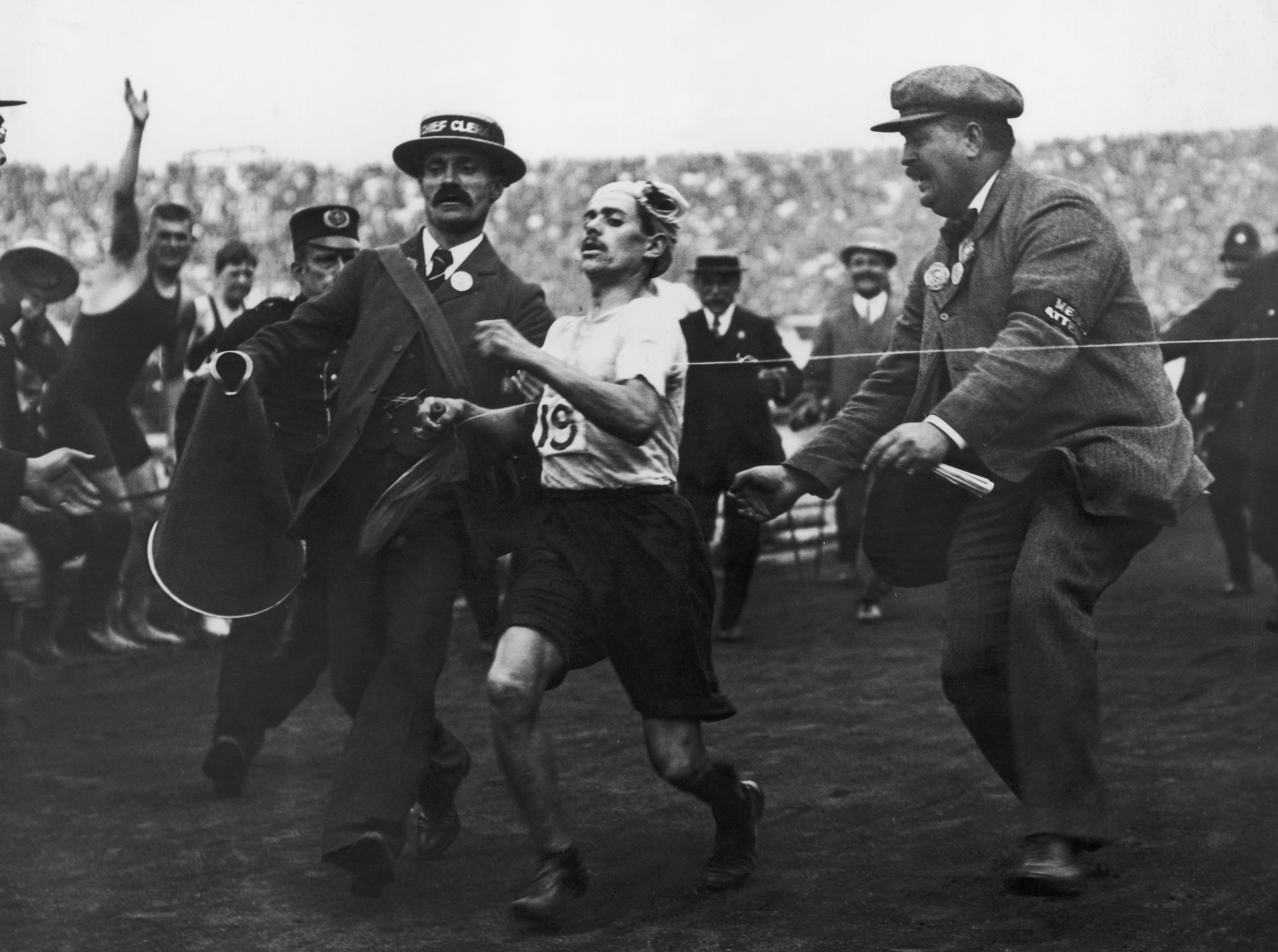
6. If you're one of the 20-somethings who has taken up the popular hobby of marathon running lately (couldn't be me), you'll know that a marathon is 26.2 miles. But you may not be aware of the origins of this hyper-specific number...and it comes to us from the 1908 London Olympics.
Bettmann / Getty Images
The reason is actually much more interesting than you'd think — it was all to prioritize the royal family's ability to view the marathon. They decided the marathon would begin at Windsor Castle and end in the Olympic stadium, right where the royal box was. It wasn't until 1921 that this distance became standardized, though.
Hulton Archive / Getty Images
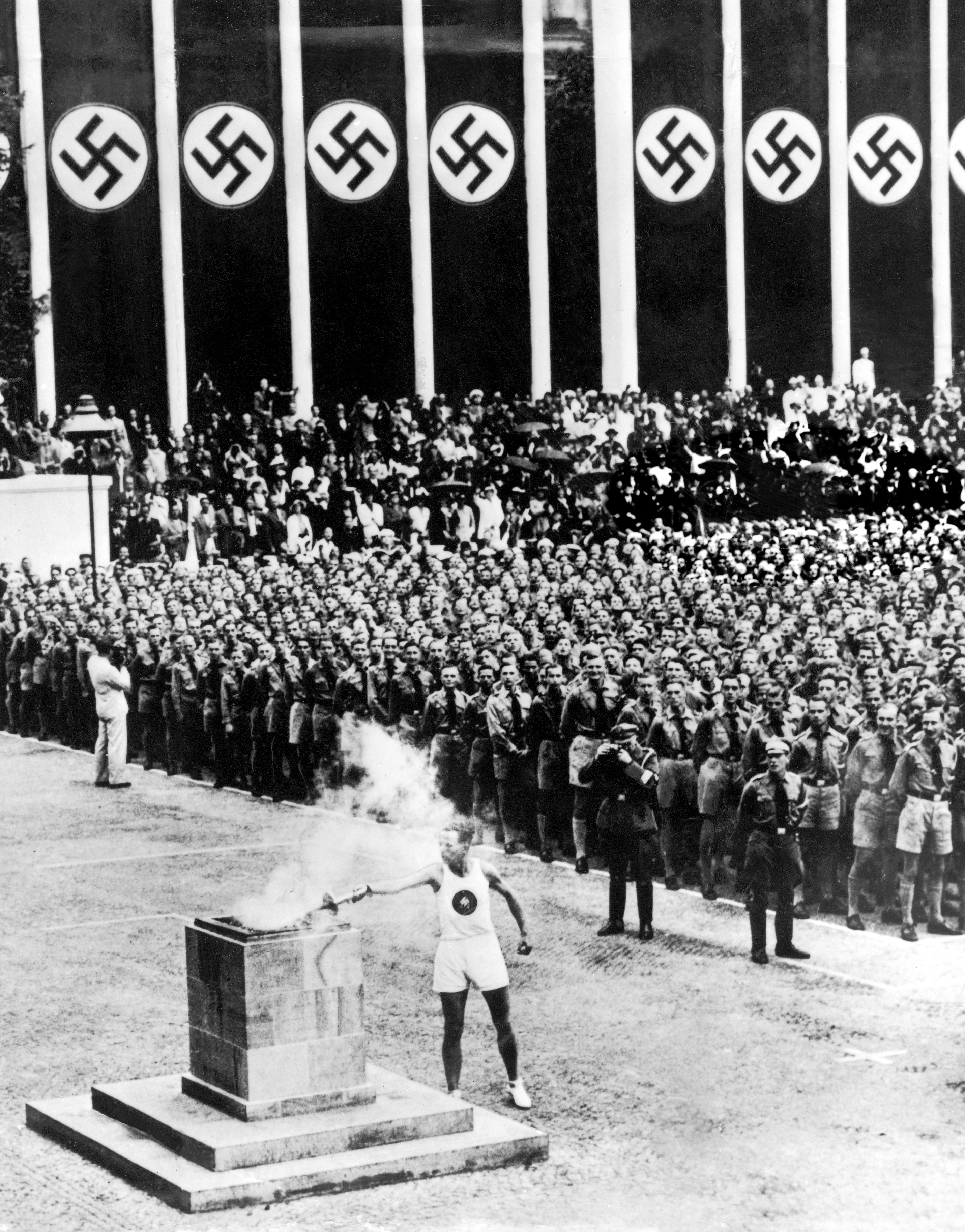
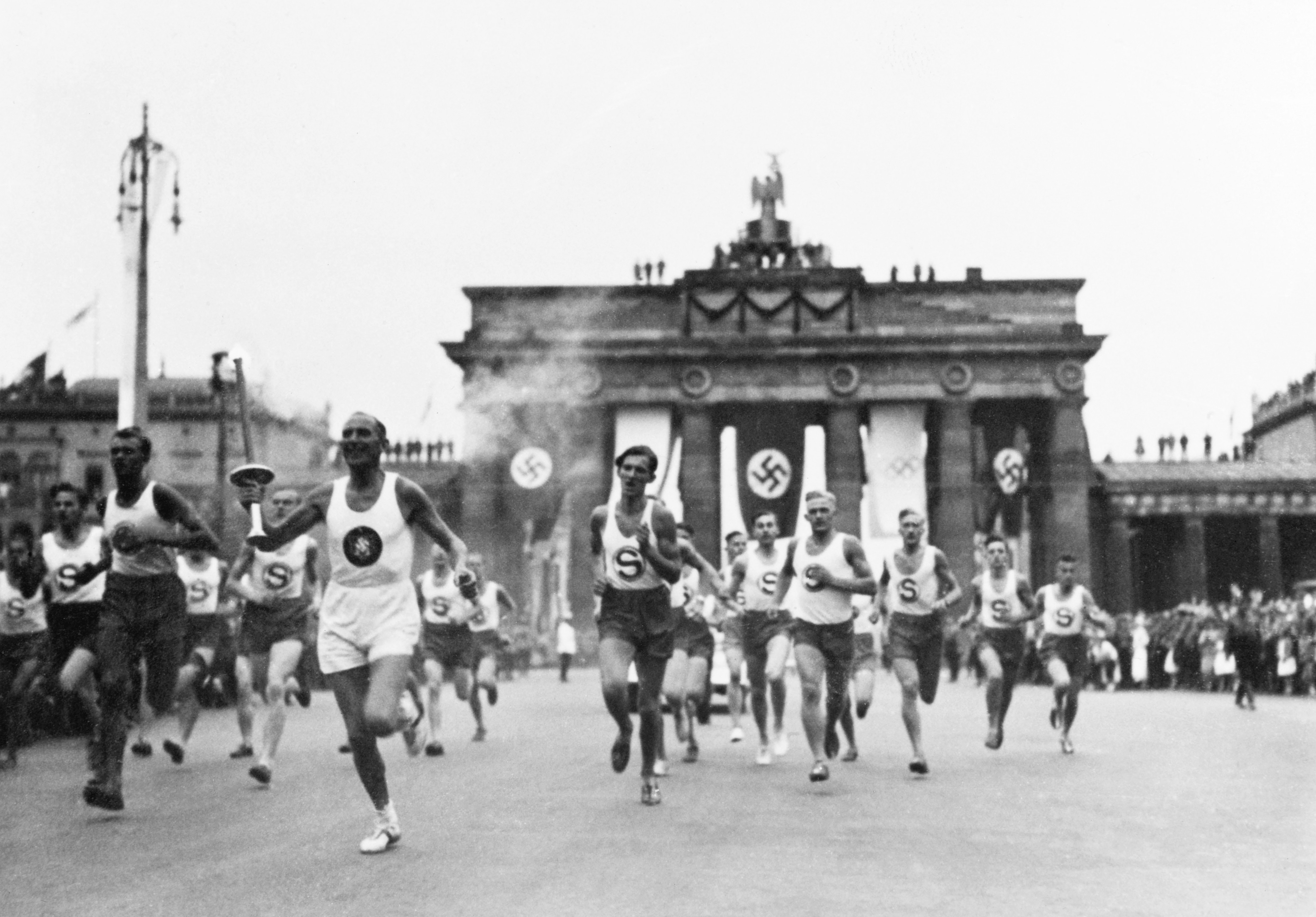
7. This one is darker, so bear with me. Two Olympic Games were cancelled because of World War II: the 1940 and 1944 Olympics. But 4 years prior, Berlin held the Olympics in 1936, and the Nazis used this Olympics as a way to strengthen their power.
Getty Images
Some people from the US and Europe tried to encourage a boycott of this particular Games, because they didn't want to support Germany and their agenda, but the boycott didn't take off. Ultimately, the Nazis used this Olympics as a way to trick the world into believing they were a "peaceful" country, downplaying the antisemitism as well as their plans for takeover. When the Games ended, though, they went full-force into those plans again.
Pictures From History / Universal Images Group / Getty Images
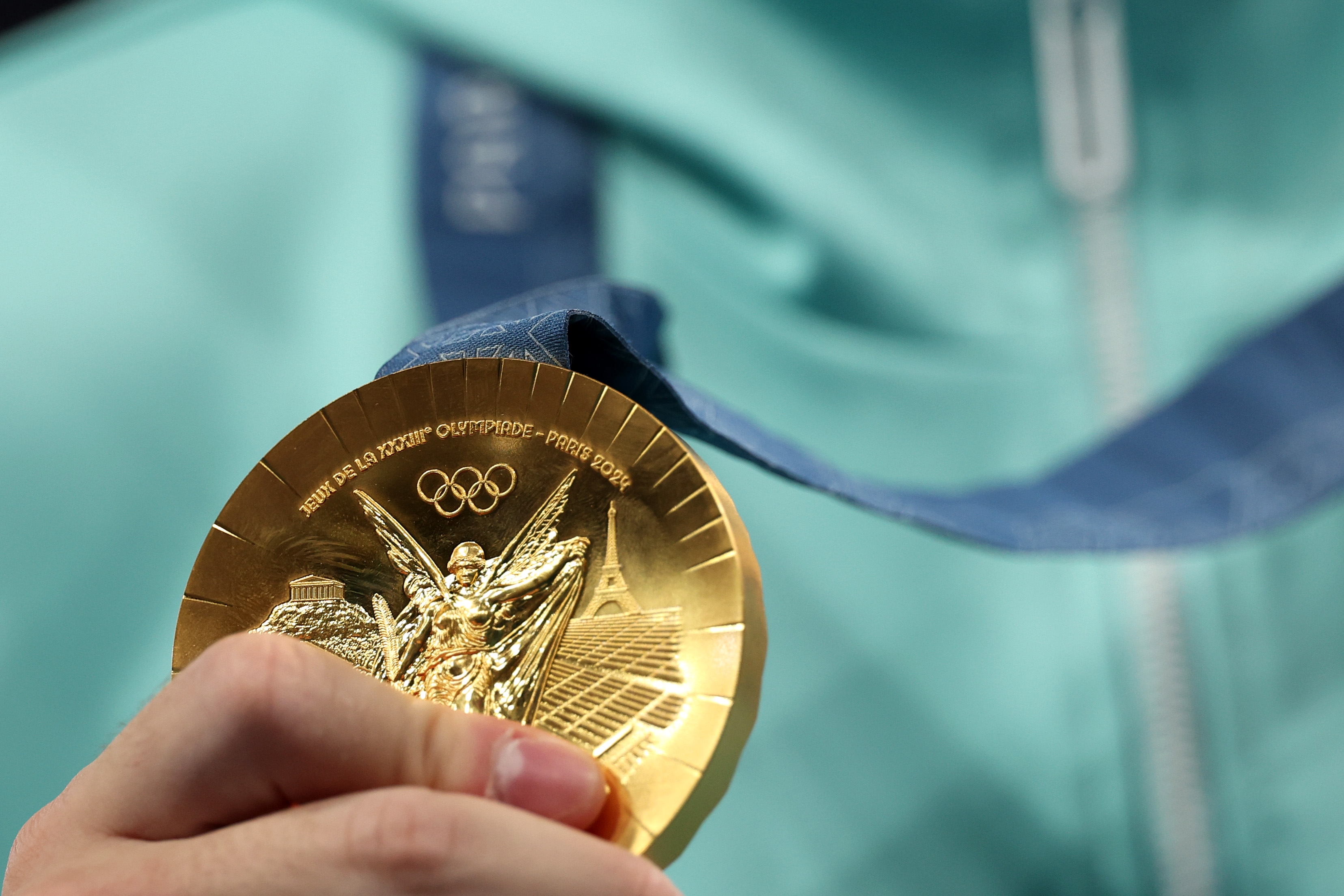
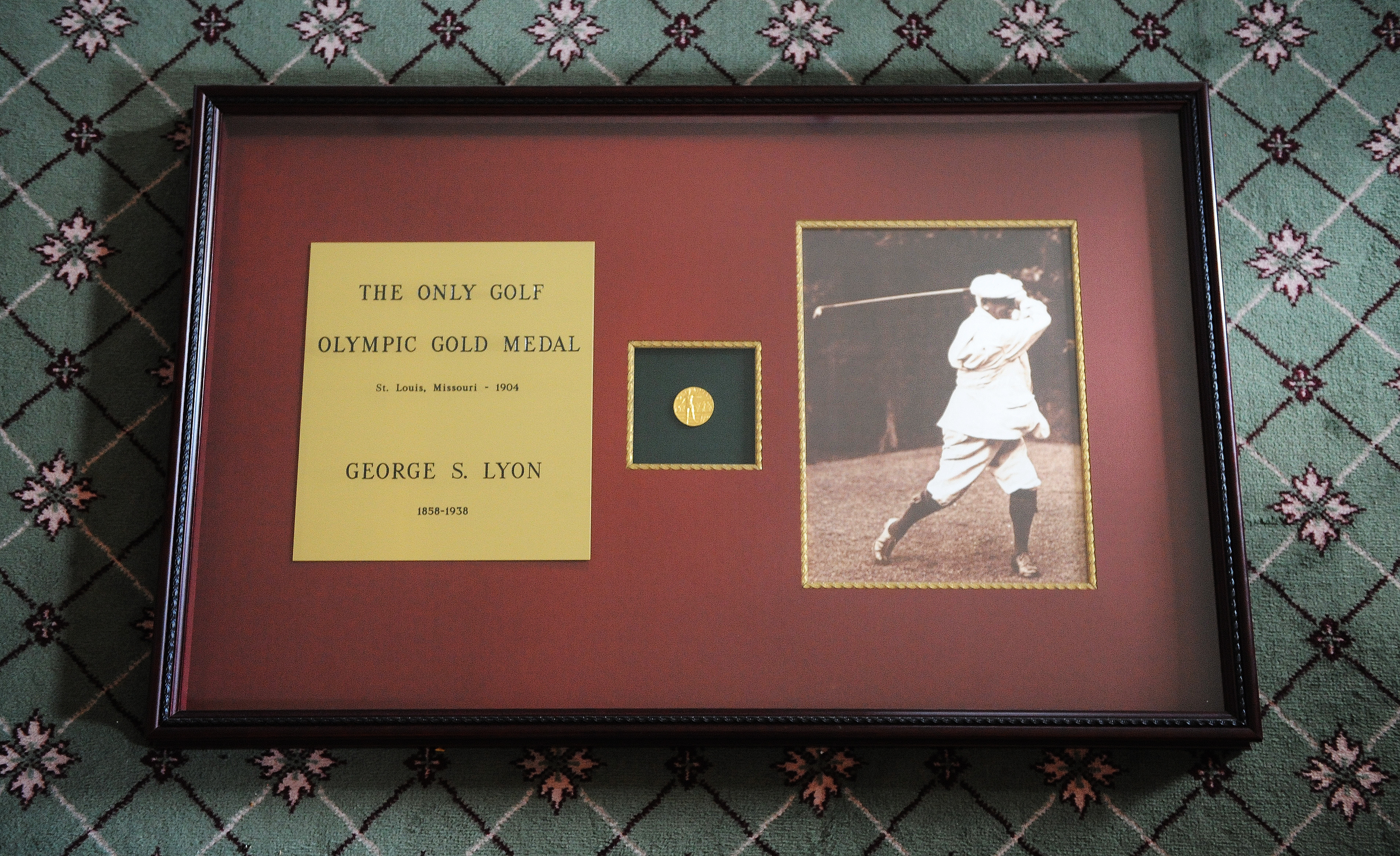
8. Those gold medals are obviously priceless, representing tons of hard work and a massive achievement. I hate to be that girl, but on a technical basis, they're not actually worth much more than the silver ones, since both are made of similar materials (the gold medals are actually 92.5% silver). But this wasn't always the case.
Jamie Squire / Getty Images
In the 1904, 1908, and 1912 Olympics, the gold medals were real solid gold. After that was World War I, so there was no Olympics, and the price of gold was simply too high to justify once the Olympics returned for the 1920 Games.
Colin McConnell / Toronto Star / Getty Images
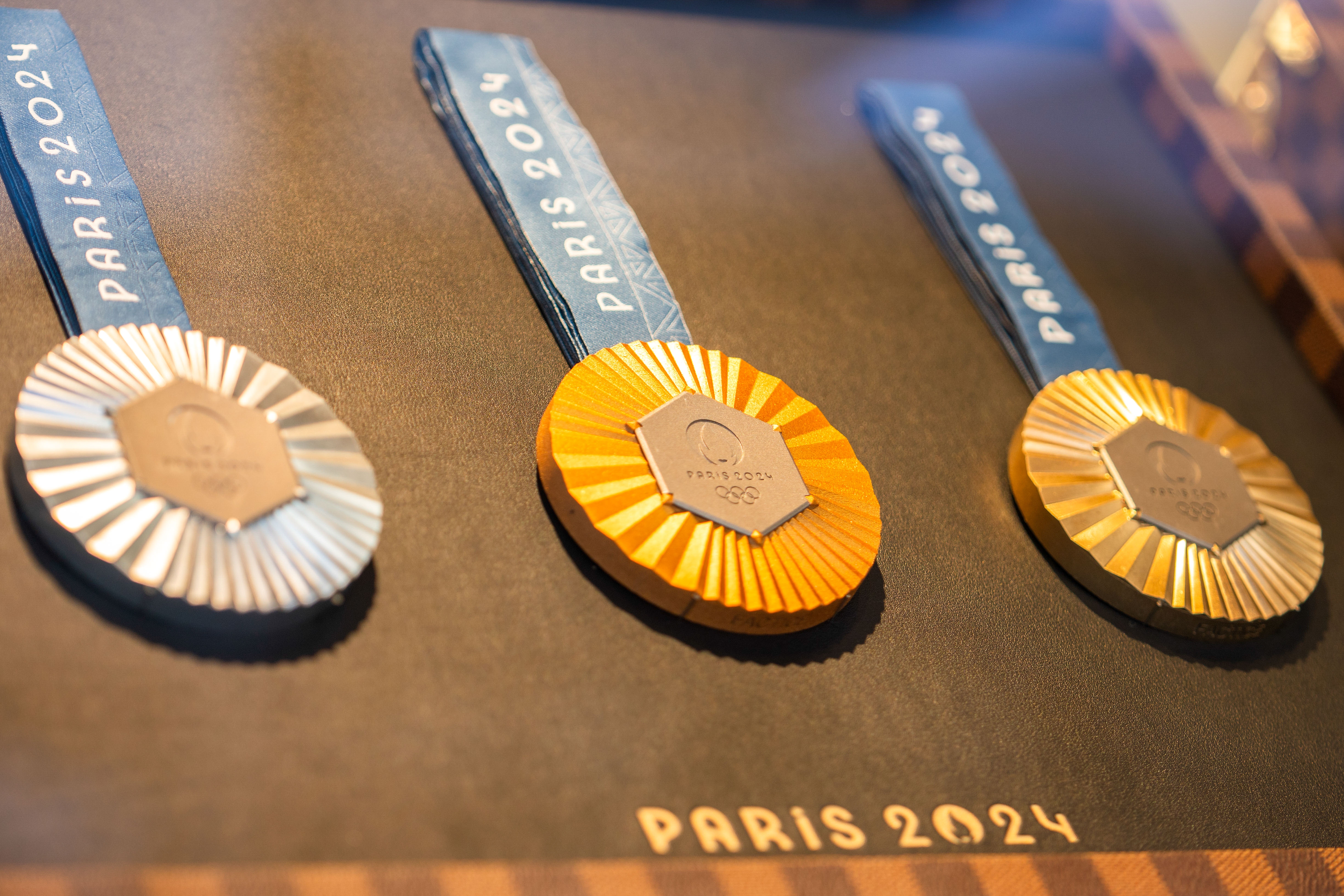
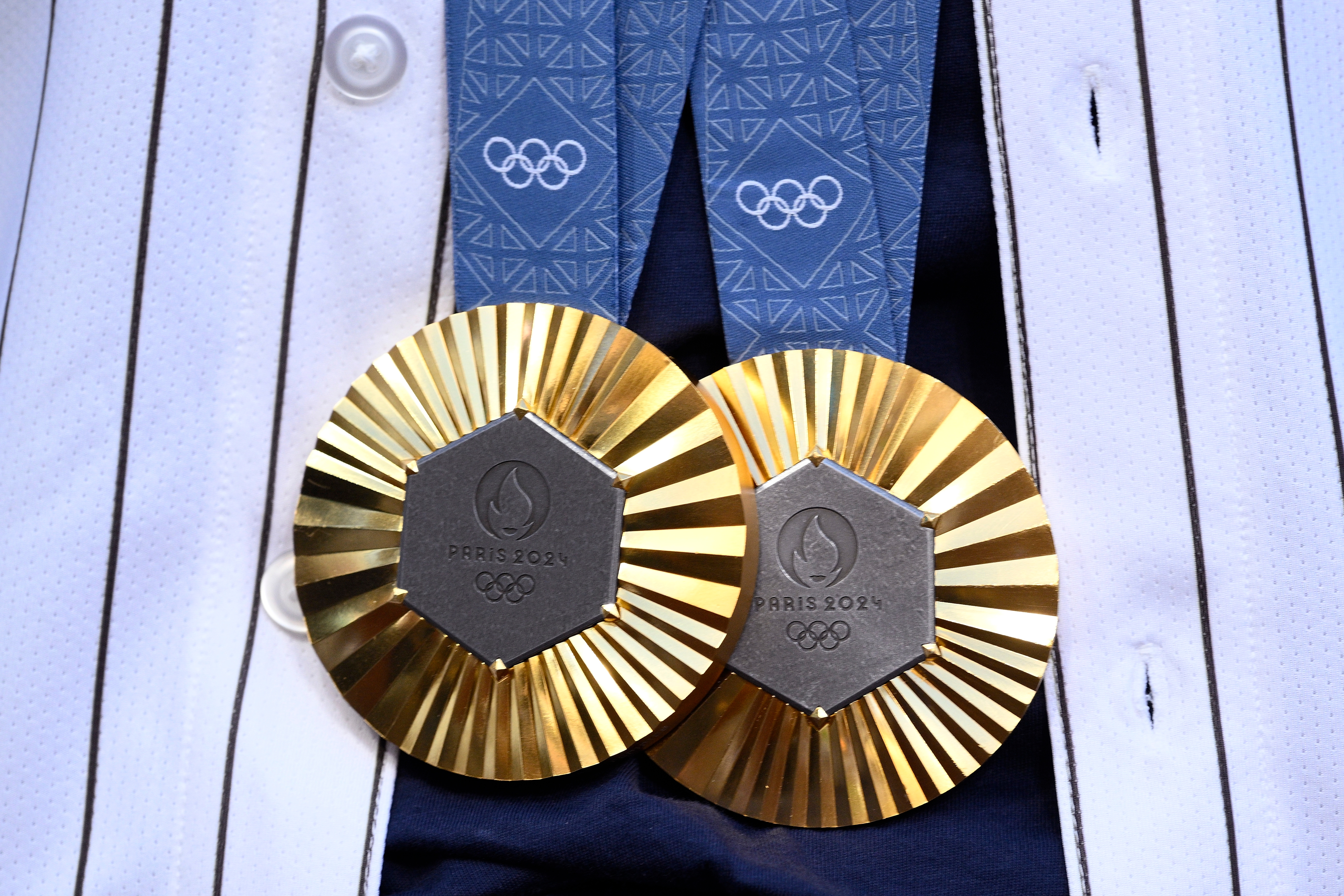
9. And speaking of medals, let's chat about an Olympics fact from (very recent) history: the 2024 Paris Olympics. Nope, they didn't bring back the solid gold for these medals, but they did something even more incredible.
Bloomberg / Getty Images
It's not unheard of for the host country to put a little something special in the medals to make them more meaningful — and that's exactly what happened here. All the Paris 2024 Olympic and Paralympic medals had a piece of the Eiffel Tower in the middle, representing Paris. I'M NOT CRYING, YOU'RE CRYING.
Orlando Ramirez / Getty Images
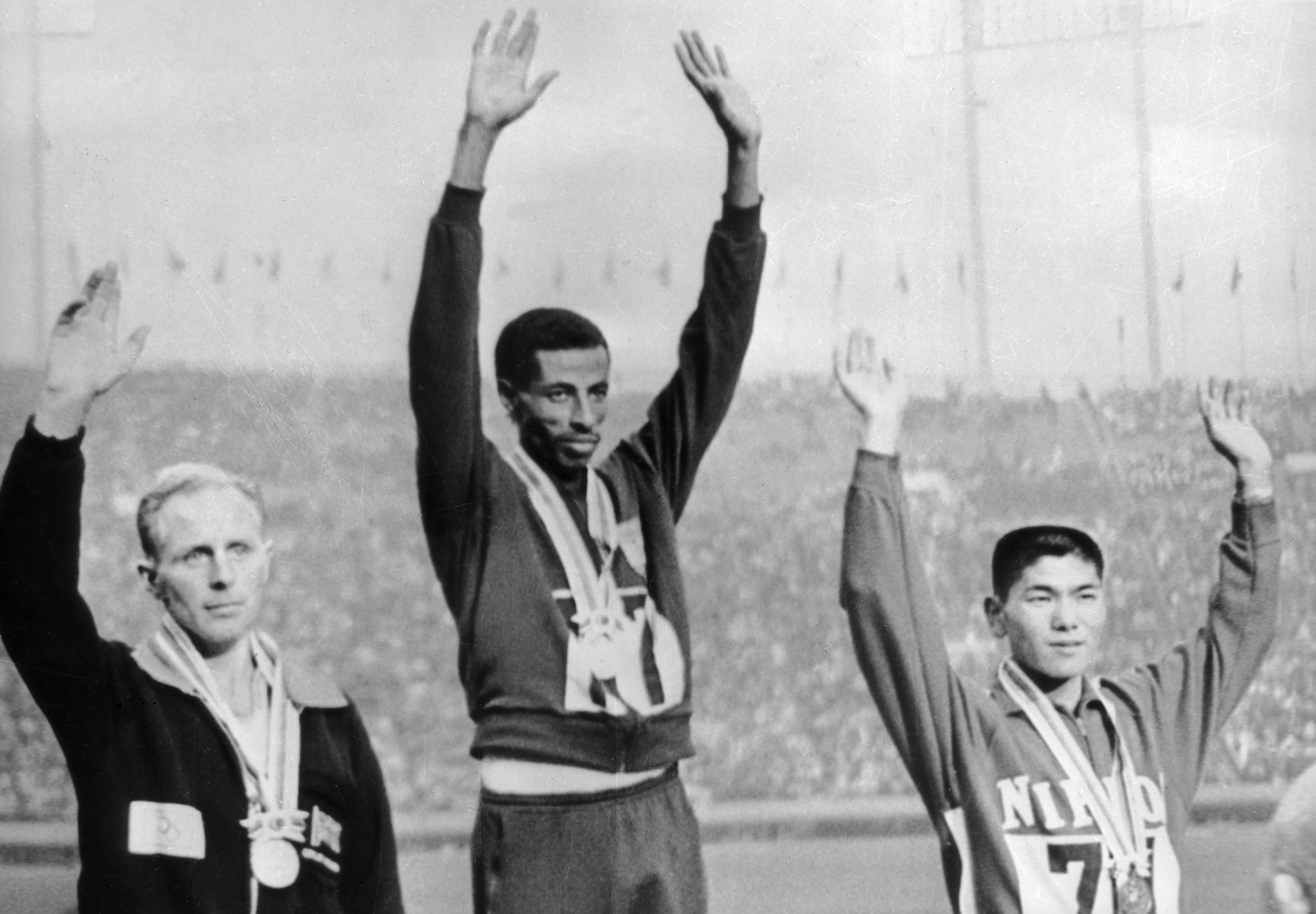
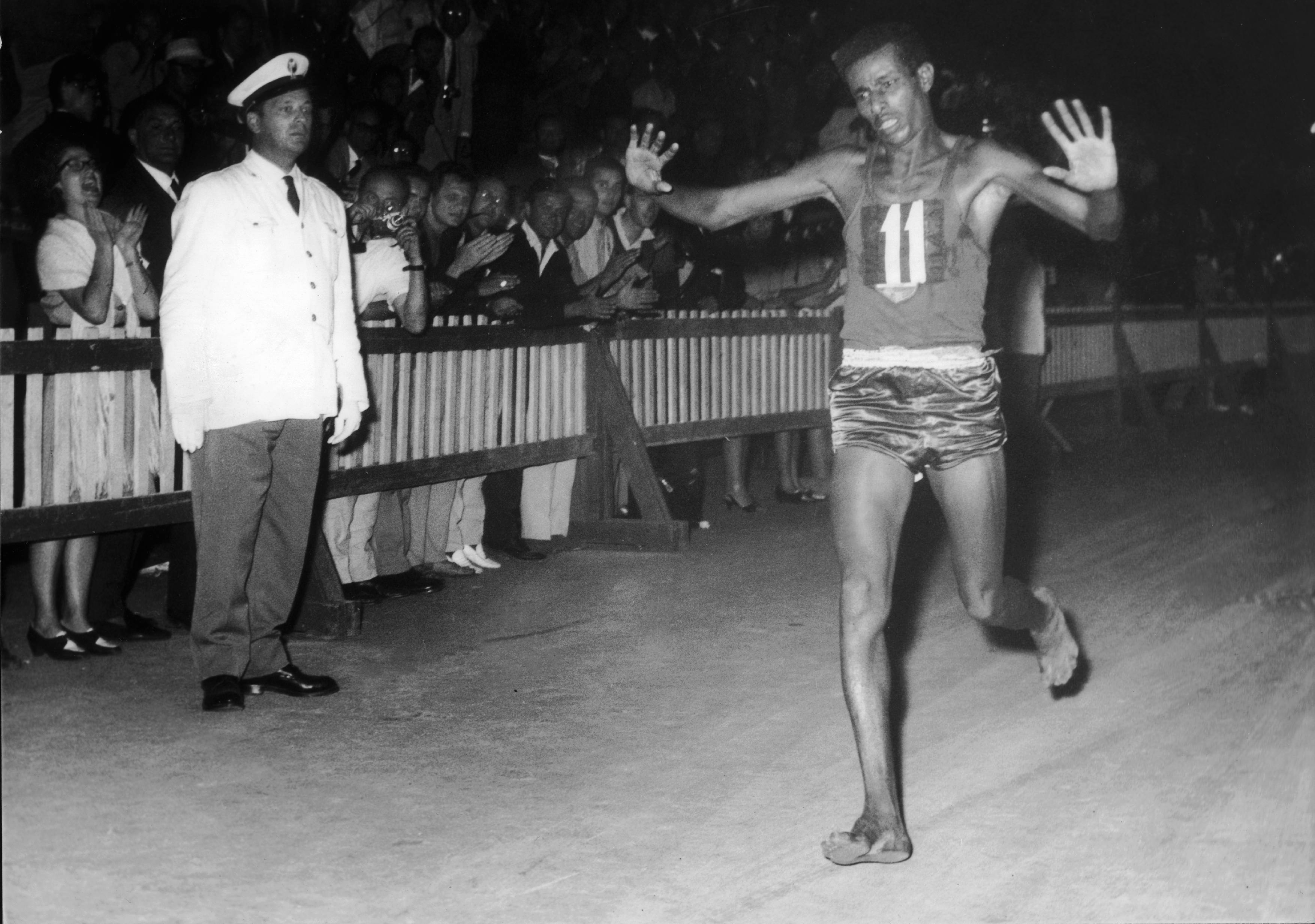
10. Most Olympic runners are rightfully very particular about the shoes they wear, because of course, it can seriously affect their performance. (Any woman who's ever tried to run in heels knows exactly what I'm talking about. Shoes are everything.) Well, not Abebe Bikila, an Ethiopian athlete who won the marathon at the 1960 and 1964 Olympics, annnnd setting a world record in the process.
Keystone / Getty Images
That world record Abebe set in the 1960 Olympic Games? Yeah — he was running barefoot. No shoes, no socks, nothing. Mind-blowing, especially when you remember that it was a full-on marathon he ran on the cobblestones of Rome.
Keystone-France / Getty Images
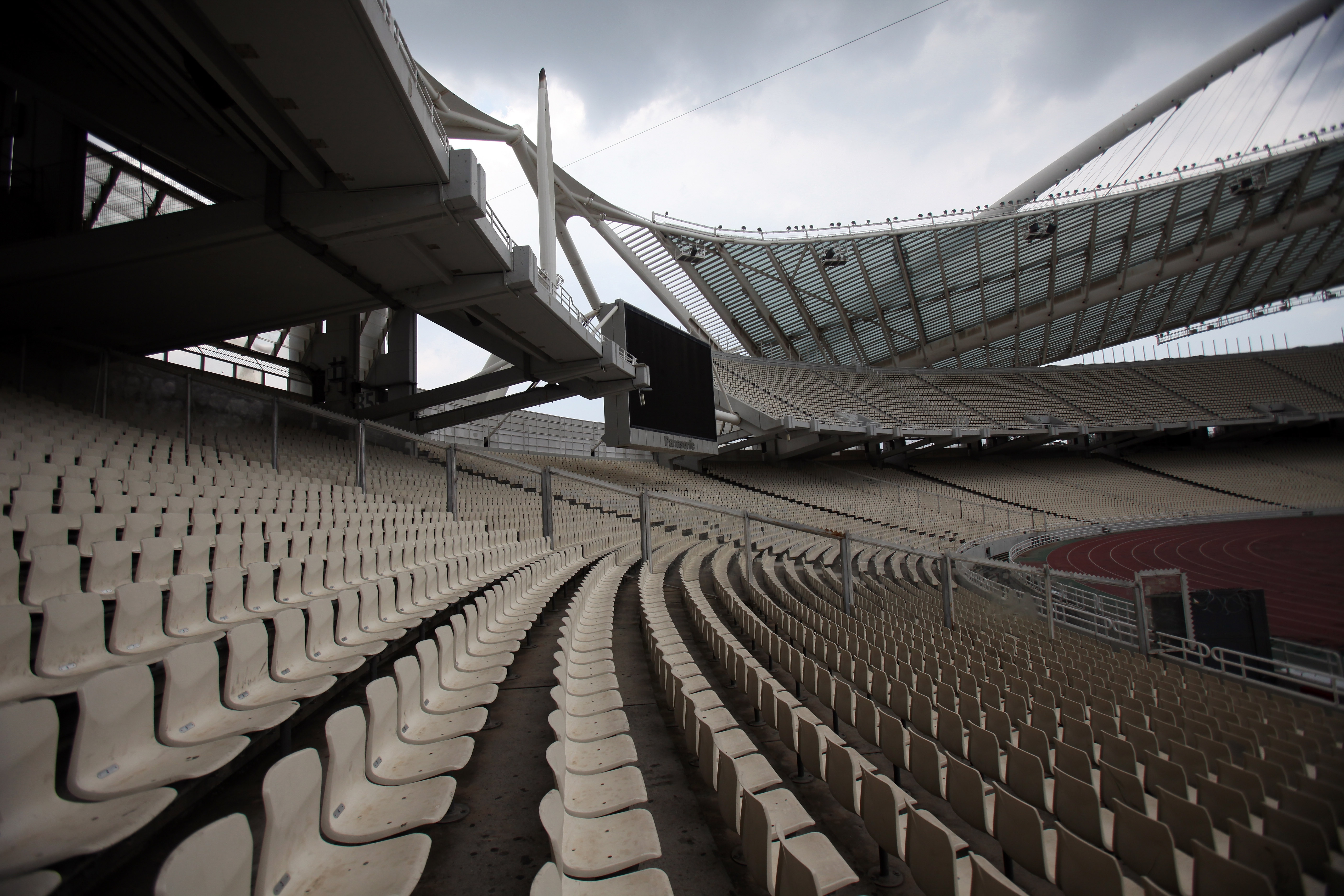
11. Although it seems like everyone would vie for an opportunity to watch an Olympic event in person, regardless of the sport, some have been very low attended. Like, embarrassingly low. And there's a Guinness World Record to prove it.
Matt Cardy / Getty Images
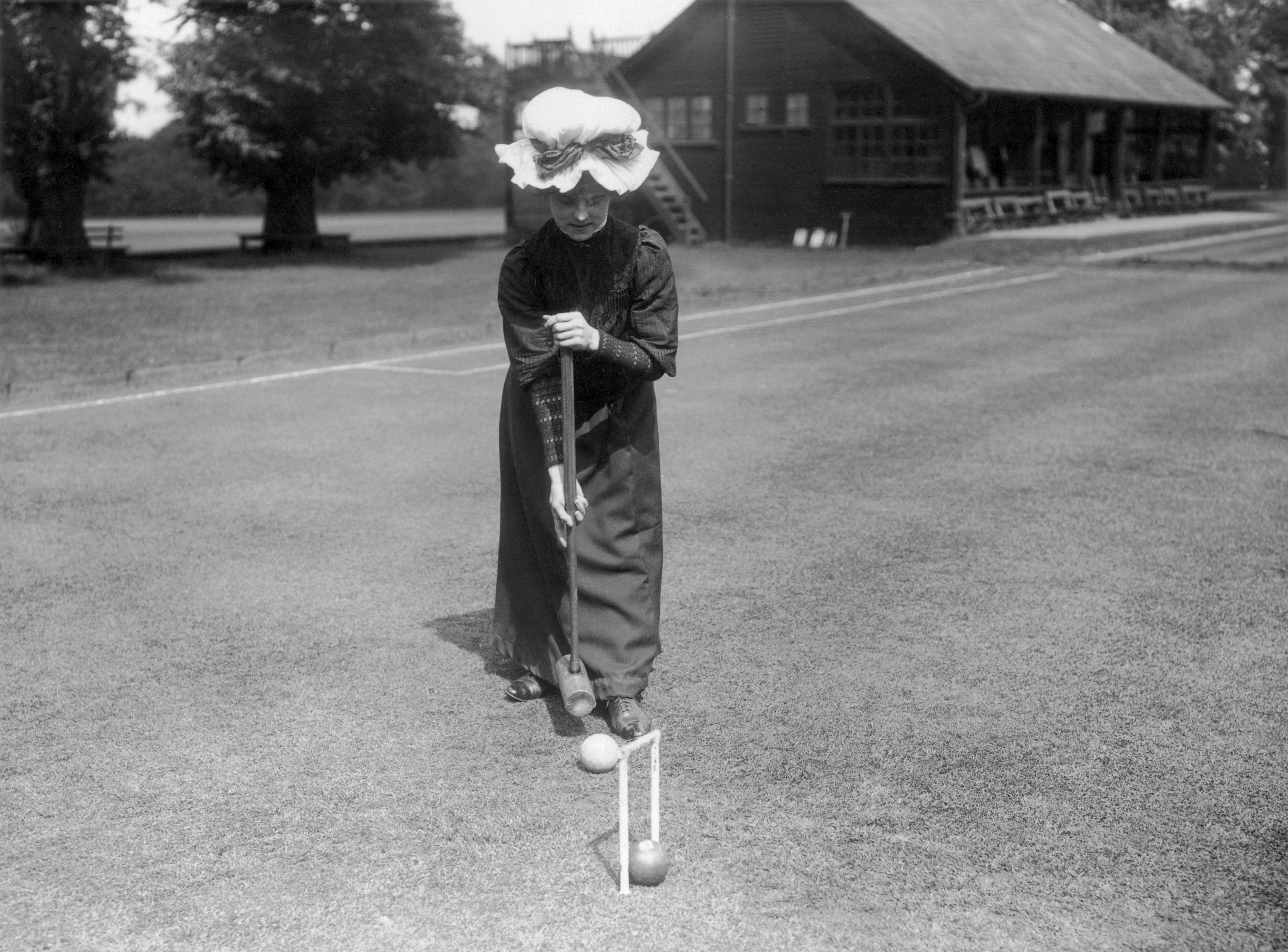
The record for the lowest attendance at an Olympic event went to the women's croquet event at the 1900 Paris Olympics. All the competitors were French, and in the audience was just one gentleman (yes, only one person), a French man from Nice who came just to see it. Did he get the bang for his buck, or was he low-key robbed of the audience camaraderie? That's a debate I wanna have.
Topical Press Agency / Getty Images
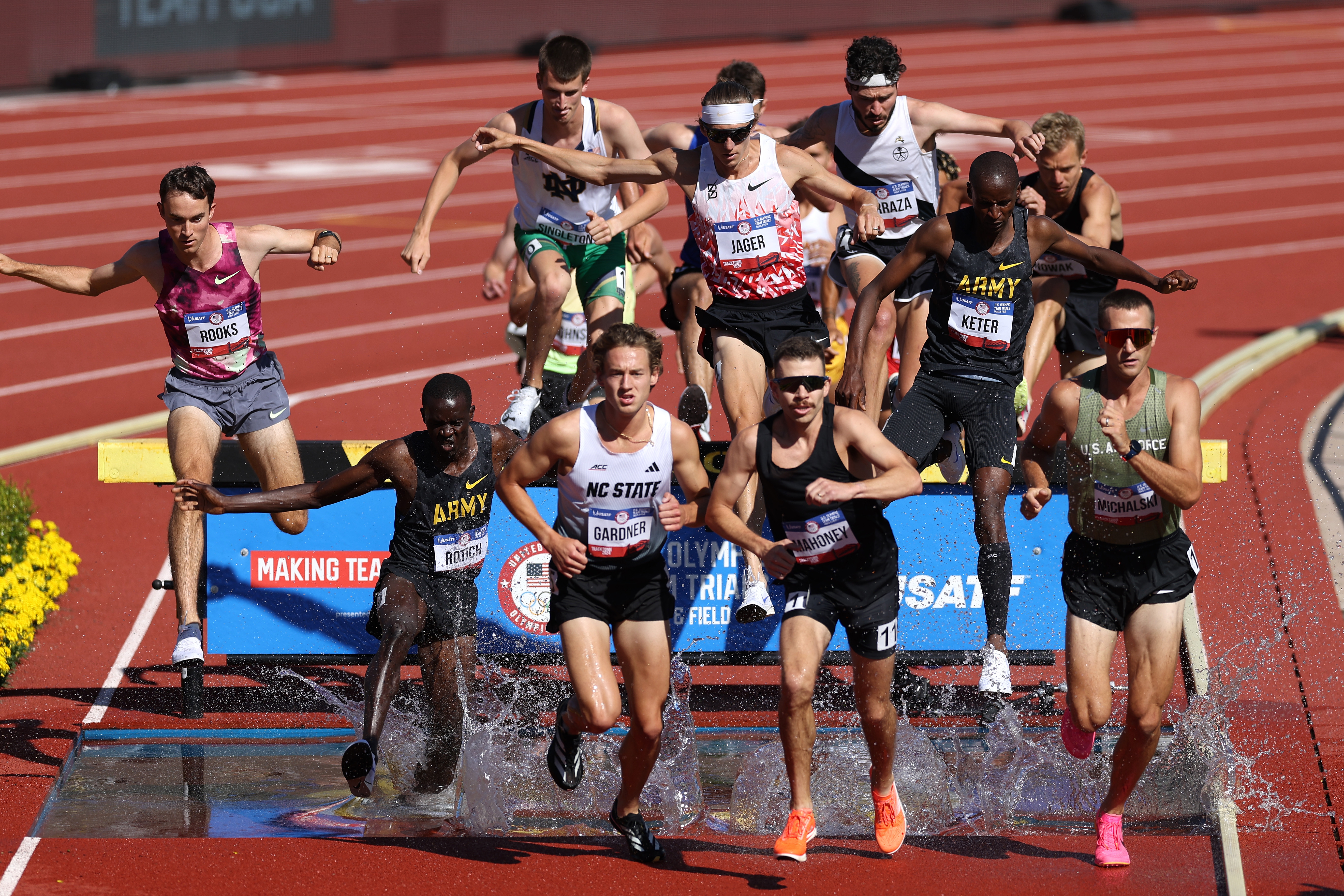
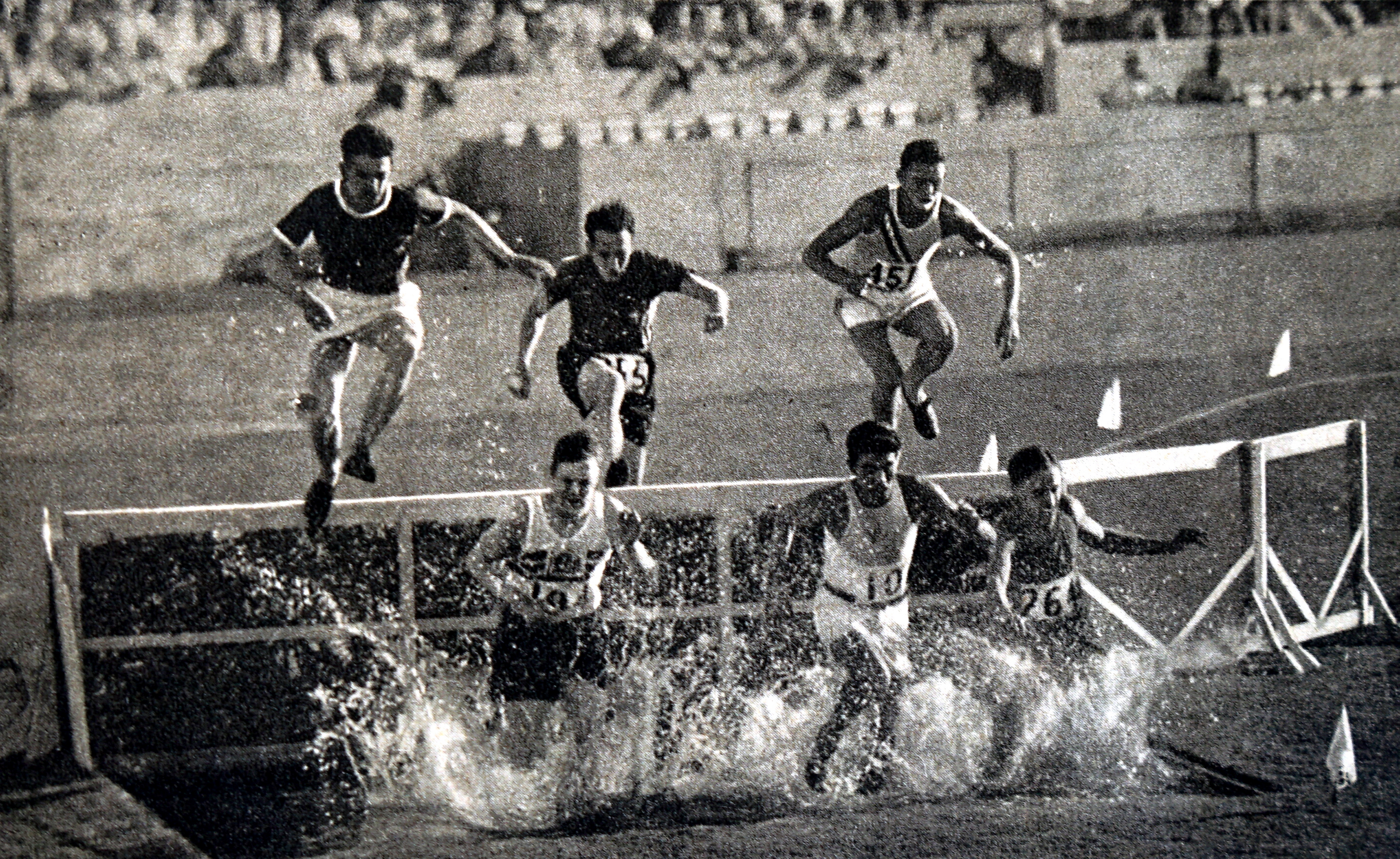
12. Steeplechase (essentially a race with obstacles) has been part of the Olympics since the early 20th century. The races are actually pretty long, at 3 km, or just under 2 miles, and there are 7.5 laps in total. Or, at least, there should be.
Christian Petersen / Getty Images
You wouldn't think it was possible to make this error, but at the 1932 men's steeplechase, an Olympics official miscounted the number of laps. So all the athletes had to run an extra lap. That's an additional 400 meters of a wildly difficult event that none of the competitors signed up for. Yikes.
Universal History Archive / Getty Images
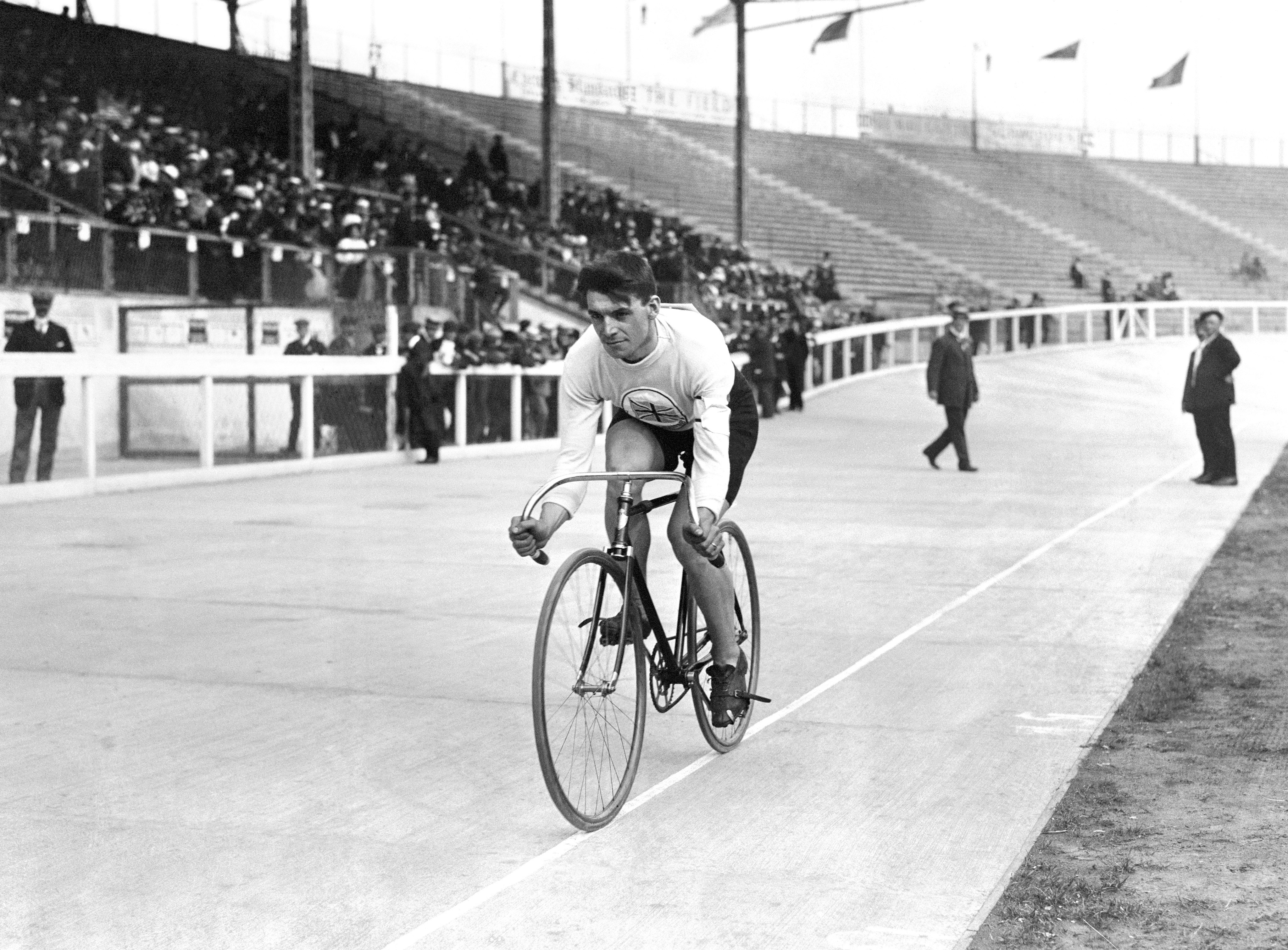
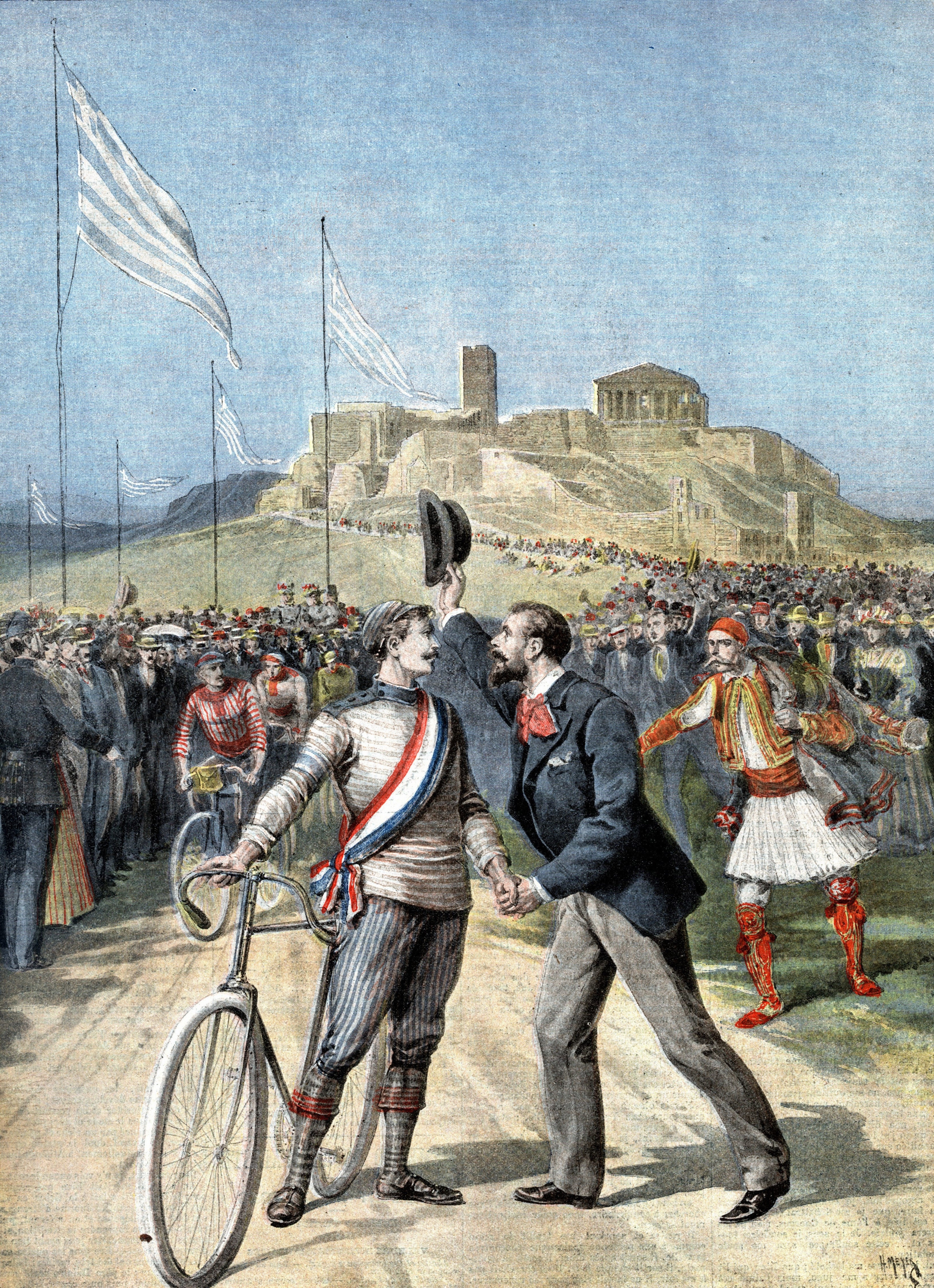
13. Cycling was one of the nine sports at the very first modern Olympics in 1896, and it included a ton of events, including sprints and road races. But the one that makes me shudder more than anything else is the 12-hour race.
PA Images / Getty Images
In the (thankfully discontinued) 12-hour cycling race, competitors had to do as many laps as possible in 12 hours straight. Yep, non-stop biking for 12 full hours. And what makes matters worse? The weather conditions on that day in 1896 have been described as "horrific," with wild winds.
UniversalImagesGroup / Getty Images
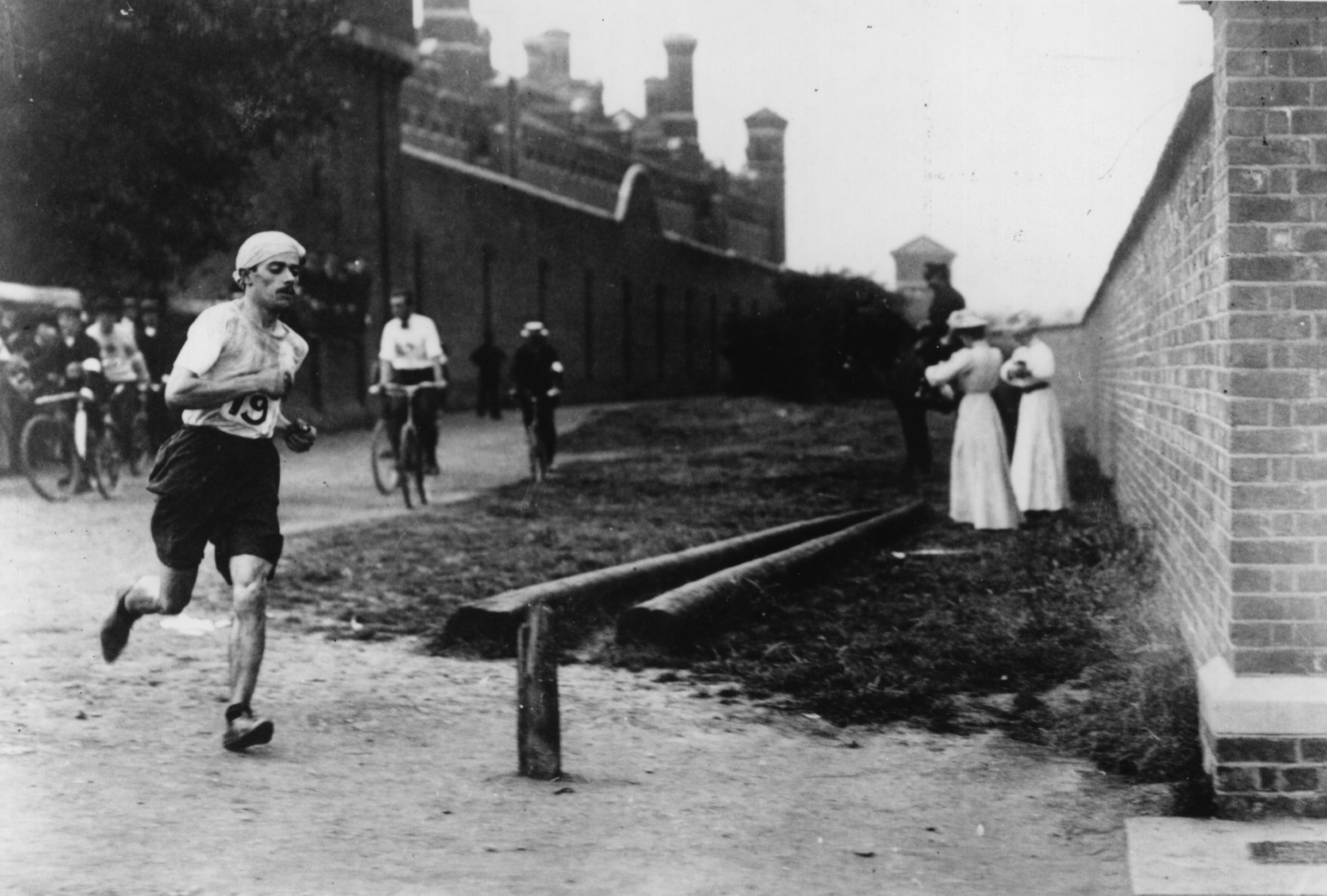
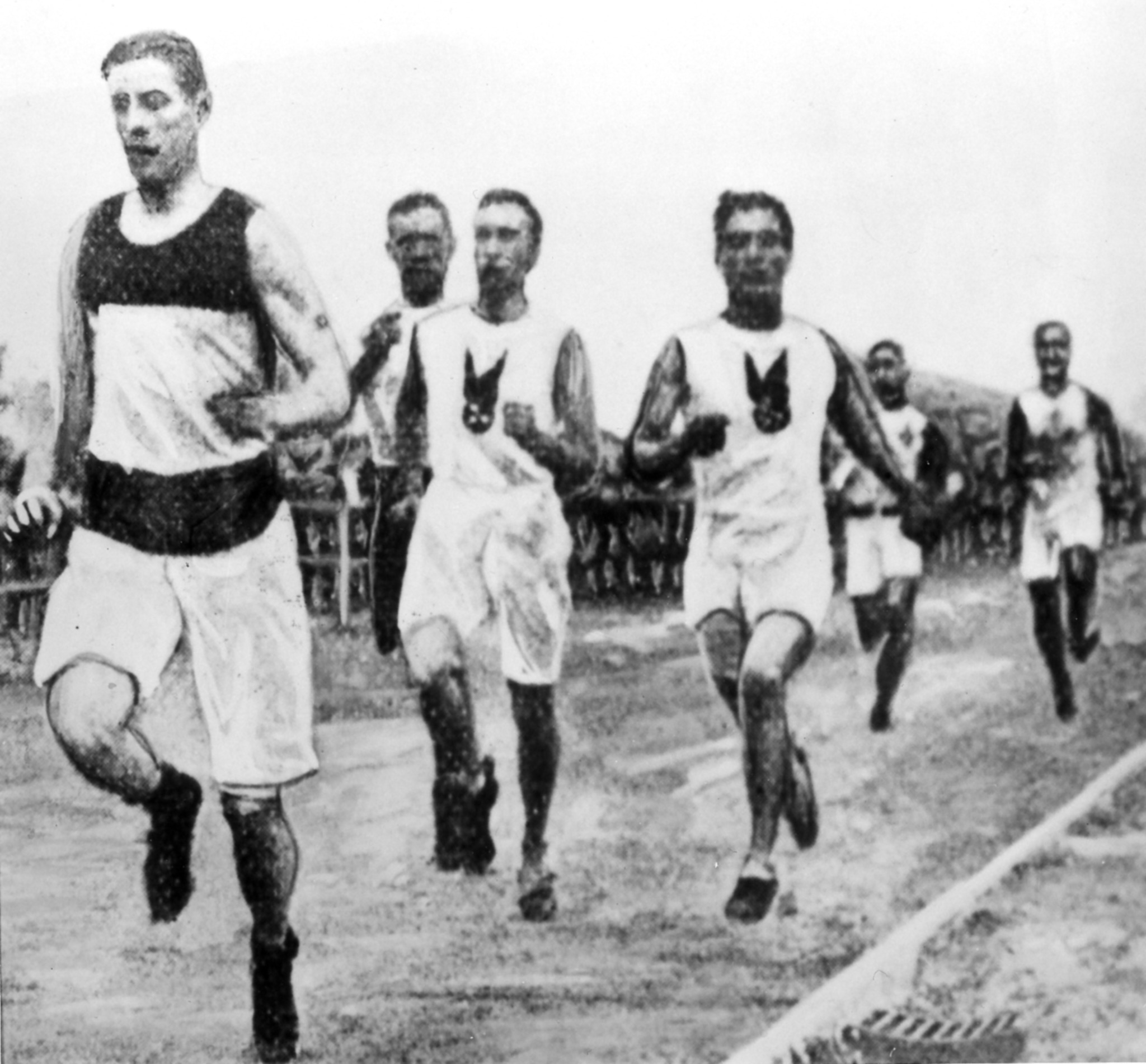
14. At the 1904 Olympics in St. Louis, the marathon event took place on a brutally hot day, and there was barely any water, thanks to an Olympic official thinking dehydration benefits athletes (major eyeroll on that one). So more than half the competitors dropped out and couldn't finish. But not Fred Lorz from team USA — he managed to cheat in the most unbelievable way.
Hulton Archive / Getty Images
Here's the story: After initially quitting the race from fatigue, Lorz took a car back to the stadium. But when the car broke down, he simply ran the last bit of the race — only to be the first to cross the finish line, winning the gold medal. Or so people thought. He ended up being disqualified from the competition, of course, but he did go on to win the Boston Marathon in 1905, only a year later.
Ullstein Bild Dtl. / Getty Images
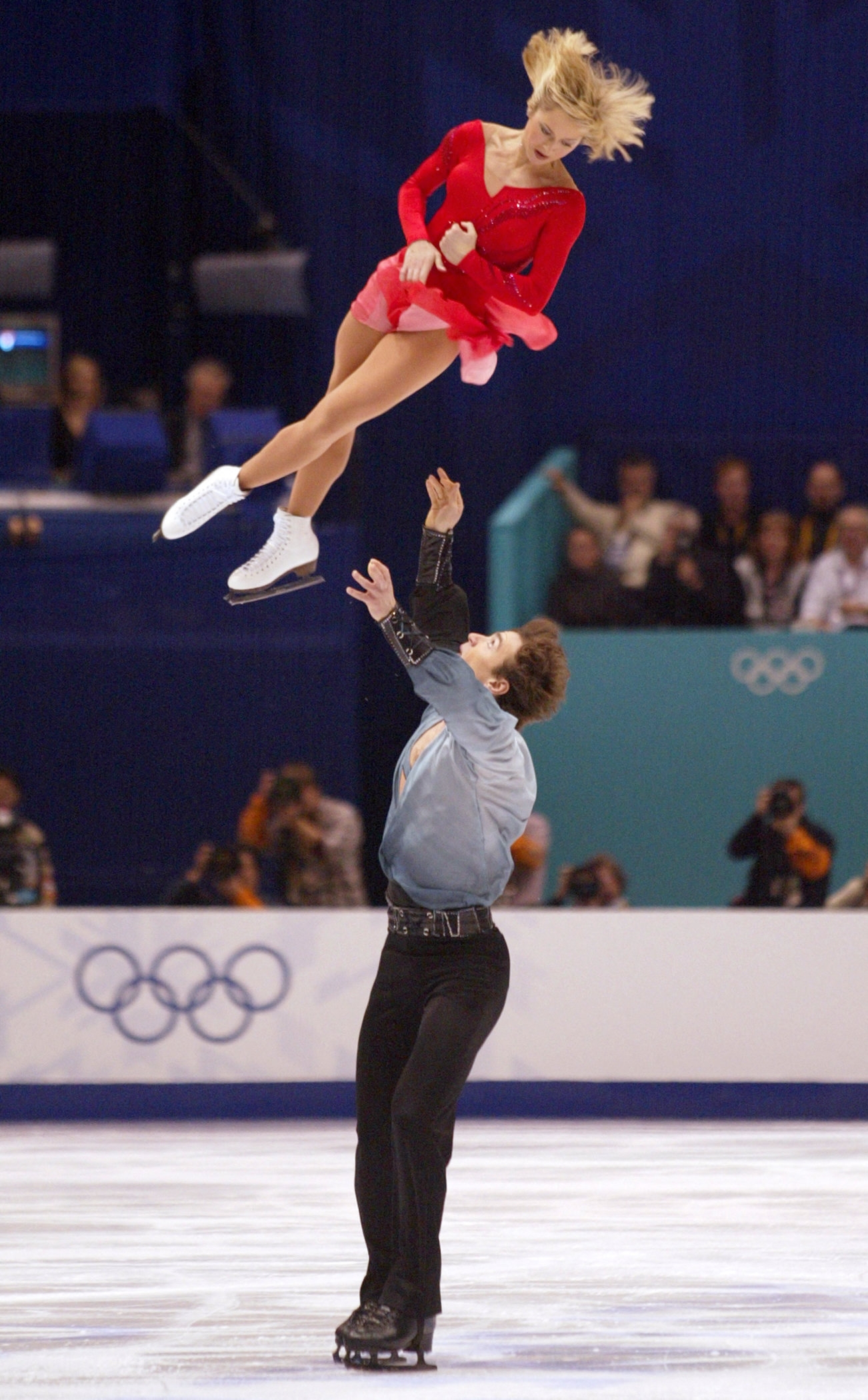
15. Particularly in artistic sports like gymnastics, figure skating, and synchronized swimming, a huge amount of power lays in the judges' hands, so it's essential they remain objective. But at the pair skating event in the 2002 Salt Lake City Olympics, there was a massive judging scandal that had the entire world enraged.
JACQUES DEMARTHON / AFP / Getty Images
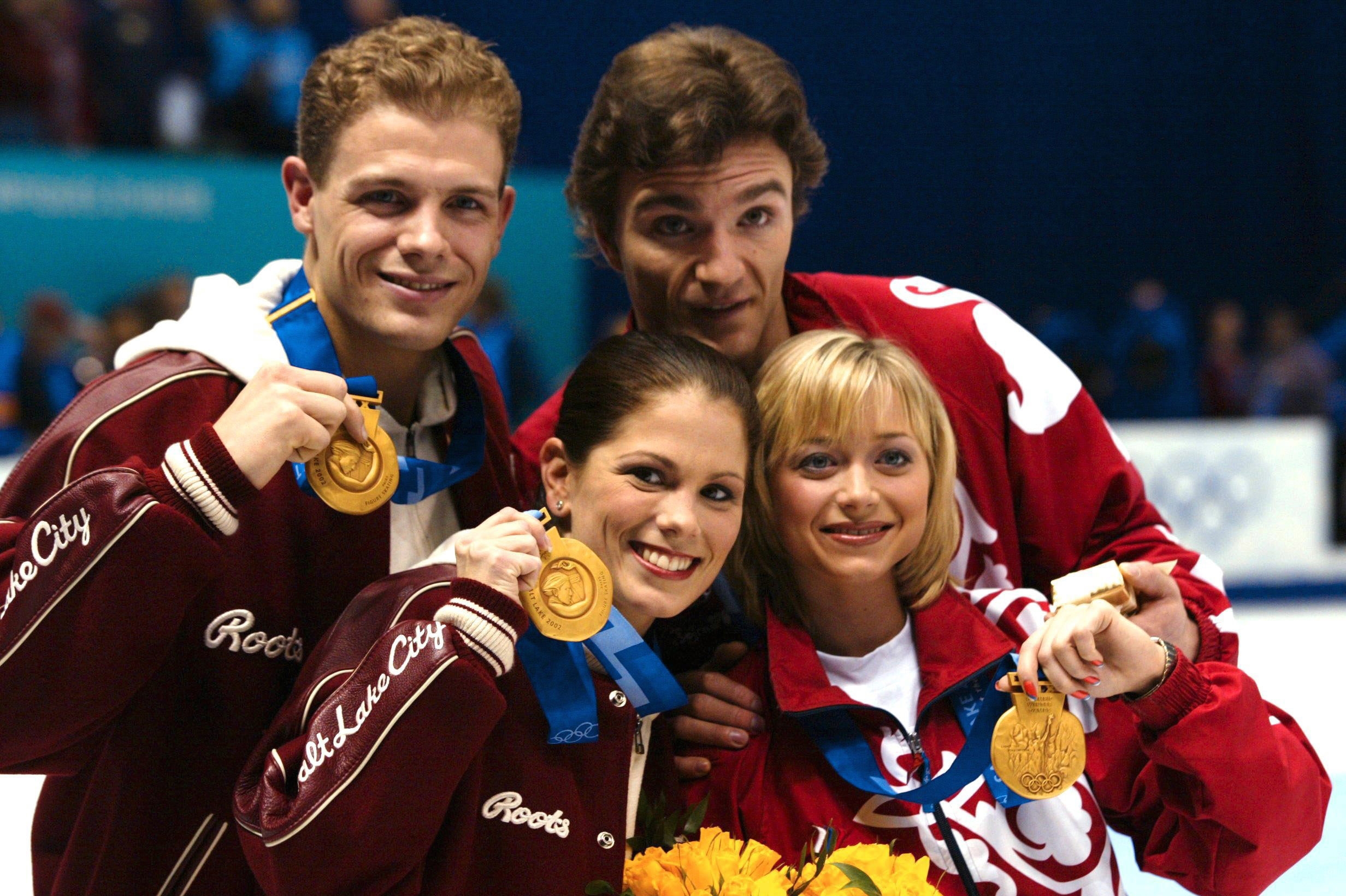
The pairs competition came down to Russian pair Elena Berezhnaya and Anton Sikharulidze, and Canadians Jamie Sale and David Pelletier. The former duo made a mistake in their routine, and the latter had a spotless performance, so everyone expected the Canadians to win. But shockingly, the Russians took home the gold, leading to a huge outrage. Later, a judge admitted she'd been "bought off" by the Russians (dun dun DUNNNN). The two pairs ended up sharing the gold medal.
Henri Szwarc / Bongarts / Getty Images
As a Canadian, this frustrates me. We shouldn't have had to share the gold in the first place. Anyway. Whatever.


 English (US) ·